


Drying of jasmine flowers
Release time:

Jasmine, alias: Jasmine, is native to India, widely cultivated in southern China and around the world. It is now widely planted in subtropical regions. It is mainly found in Iran, Egypt, Turkey, Morocco, Algeria, Tunisia, as well as in Spain, France, Italy and other countries along the Mediterranean coast, and is cultivated in all countries of Southeast Asia. The main production area in China is Hengxian, Guangxi, and the main variety is the small jasmine.

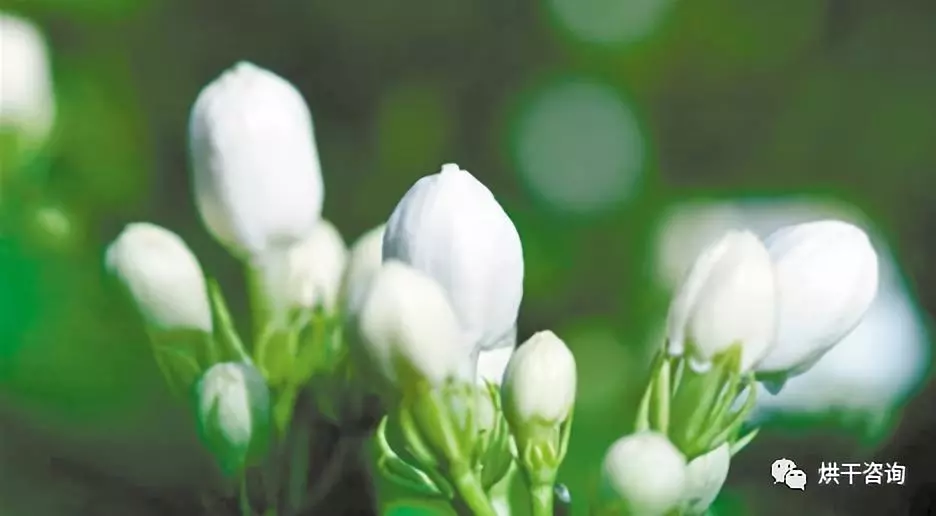
Jasmine processing steps.
Jasmine flowers, Jasmine essential oil, Jasmine pure lotion
The flowers of jasmine are extremely fragrant and are famous as a raw material for floral teas and an important ingredient in flavouring; the flowers and leaves are used medicinally to treat red eyes and swelling and to relieve coughing and phlegm.
Jasmine flowers are so fragrant that they can be used to extract jasmine oil, a raw material for making flavourings. Jasmine flowers can also be fumigated for tea or steamed to extract the juice, which can be used as a substitute for rose dew, and has long been produced as a smoky tea spice in Suzhou, Nanjing, Hangzhou and Jinhua, all in the south of the Yangtze River.
Of all the "floral" fragrances, jasmine is undoubtedly the most important - there is hardly a daily fragrance that does not contain jasmine, and every bottle of perfume, every bar of soap and every box of cosmetics can be scented with jasmine.
Not only that, but jasmine fragrance has made a huge contribution to the synthetic fragrance industry: hundreds of floral fragrances have been discovered from or imitated by chemists from the scent of jasmine - the most "colourful" of all floral fragrances. "It contains the "right" amount of animal, green, medicinal and fruity notes. Many valuable new fragrances were first discovered in jasmine oil.
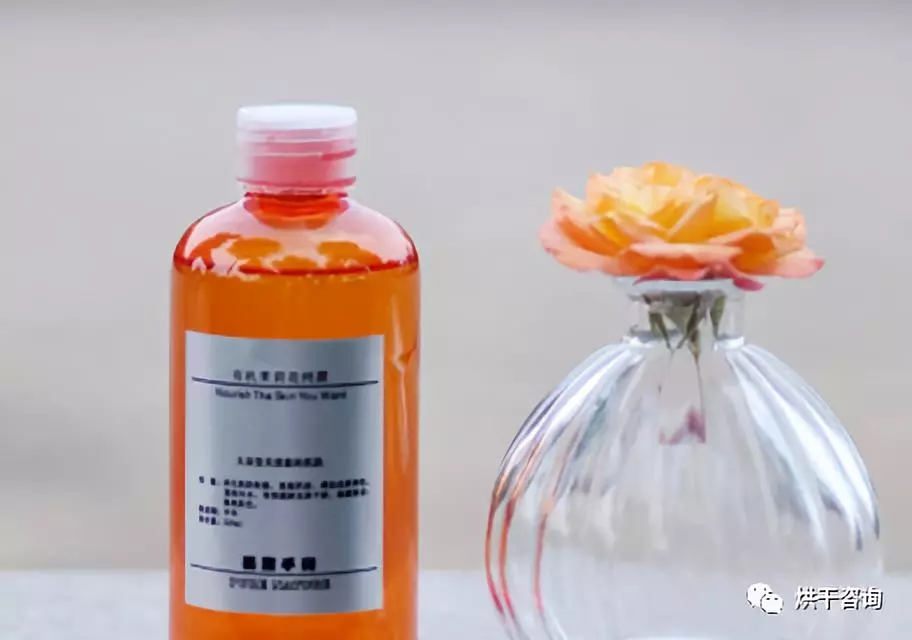
The following concentration methods are now used for the extraction of jasmine essential oil.
1、Distillation extraction method
2、Organic solvent leaching method
3、Sorption method
4, supercritical CO2 fluid extraction method
The main extraction methods of jasmine dew.
Distillation method
Both of these extraction methods have an impact on the flowers themselves, and the flowers cannot be reused after extraction.
The following is a solution for jasmine flower drying, essential oil extraction and flower dew recovery in one.
The main principle of the equipment is to use the inverse principle of air conditioning to suck the heat from the outside air through the refrigerant into the baking room to heat the jasmine flowers in the drying room, allowing them to dry naturally at a temperature of 30-37 degrees C. The duration of jasmine exhalation under natural conditions and normal temperature (32-37 degrees C) is generally up to 24 hours. From observations and tests, it can be seen that jasmine flowers are at their peak 5 hours after they start to exhale, when respiration is strong and dry matter is lost, and the volatilisation of the aromatic oil is also violent, so when the exhale is strong, the aromatic oil and the condensation inside the machine fuse together and stay out of the machine, which can normally recover 50% of the water inside the jasmine cells, so that the flowers can also be The flowers can be dried normally and the flower dew can be recycled back without any waste or environmental pollution. The following pictures are used to illustrate some examples of rose drying.
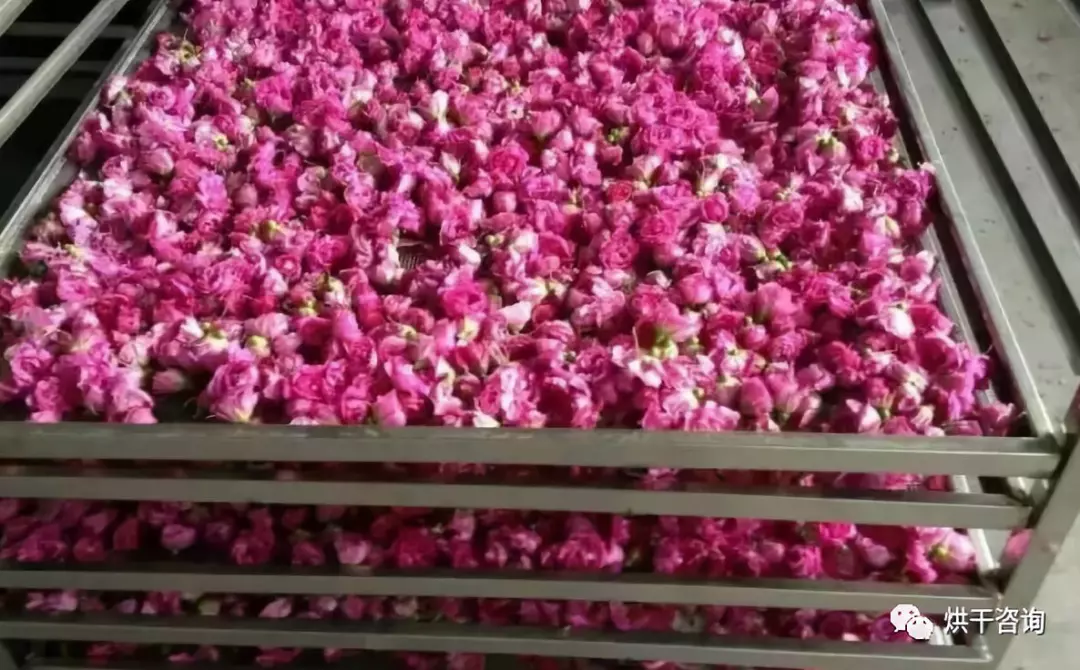
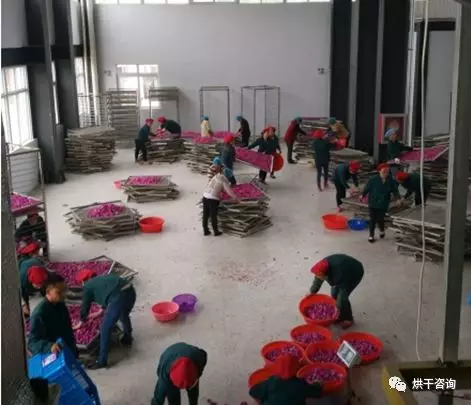
Previous
Next
Previous
Next

E-mail: 18150135290@163.com
Phone: +86-18150135290
WhatsApp: 8618150135290