


Grape drying in drying process
Release time:

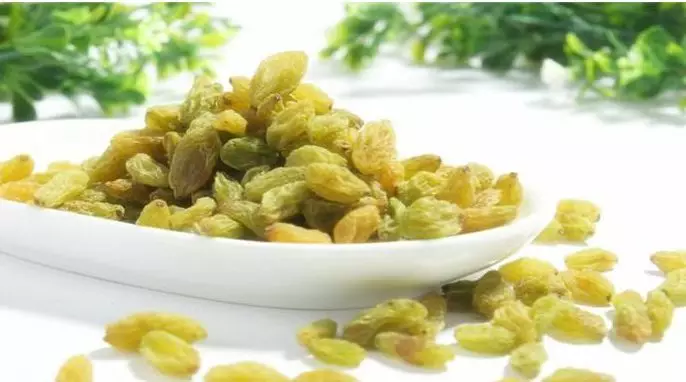
Raisins have a long history in my country and are a famous specialty sold both at home and abroad. Its advantages are that it is much lighter in weight, significantly smaller in volume, easy to transport, can be stored for a long time, easy to eat, rich in nutrition, and very popular among explorers, sailors and tourists.

Grape processing steps:
Process flow: Raw material selection → Fruit washing → Drying → Packaging
Operation points
1. Fruit harvesting: Raw material selection is fresh grapes for drying. It is advisable to choose seedless varieties with high solid content, good flavor and color, no serious enzyme browning, appropriate maturity, thin skin, soft flesh, and sugar content of more than 20%. The seedless grapes for drying must be fully mature, and the sign is that the spike stalks are white. When squeezing the fruit with fingers, the juice will slowly flow out, and it has strong adhesion. When tasting, the sweetness of each berry is consistent. It is generally harvested from mid-August to mid-September.
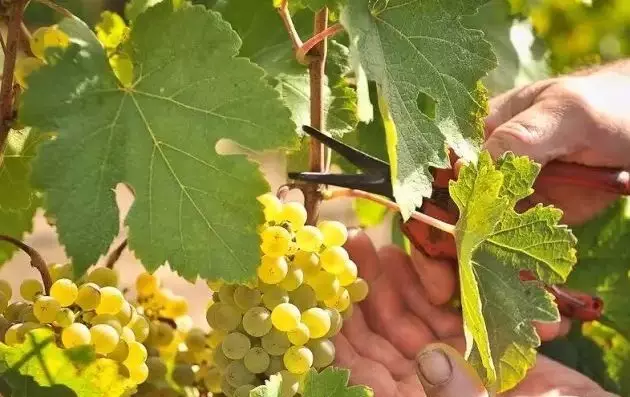
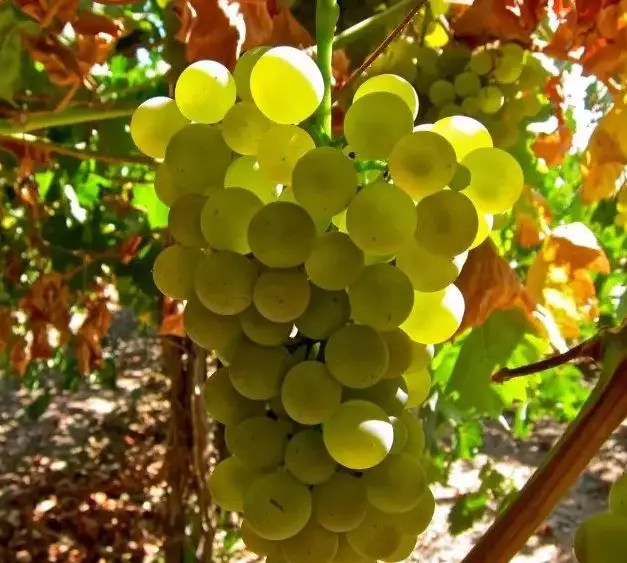
2. Arrangement of raw materials: Washing and decontamination are generally done with 1.5-4.0% sodium hydroxide solution to remove wax and harmful microorganisms attached to the peel. At the same time, it can be disinfected and small cracks will appear on the peel to facilitate water evaporation and promote drying.
3. Natural drying:
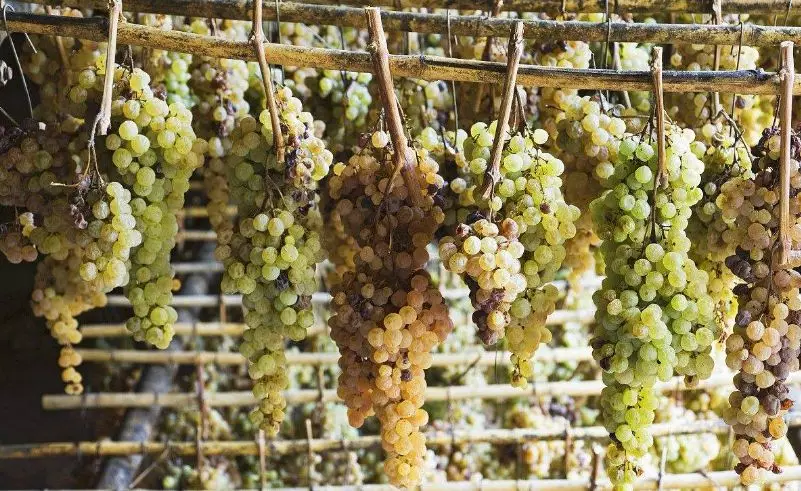
Remove the dead leaves and branches in the grape clusters, and use fruit thinning shears to remove the unqualified fruit grains that are rotten or discolored. The wooden rafters embedded with hard wood used to hang grape clusters are tied vertically to the roof of the drying room with hemp rope or iron wire at one end, and there are enough ventilation holes on the four walls of the drying room. Drying grape clusters is called "hanging thorns". Hang a row, tie a row, start from the bottom and hang them layer by layer, stacked like a pagoda, and hang them straight to the roof. 3 to 4 days after hanging thorns, some grape clusters and grains fall off, which should be cleaned in time. After that, clean it every 2 to 3 days until it stops falling off. The fallen bunches and berries are exposed to the sun to make inferior raisins.
The drying rooms are all located in the Gobi Desert or barren slopes, with open space around them, no plants, high temperature, dryness, and hot winds. The average temperature in the drying room is about 27℃, the average humidity is about 35%, and the average wind speed is 1.5 to 2.6 meters per second. The cleaned raw materials are placed in the drying trays for 3-5 days, then turned over and continued to dry for 2-3 days, and then the drying trays are stacked in the ventilation room to dry in the shade. After about 30 days of shade drying, the thorns can be completely removed. Generally, 1 kilogram of raisins can be made from 4 kilograms of fresh grapes. The dried product is bright green in color and of excellent quality. Then it is stored for more than 3 weeks to soften, threshed, stemmed, and packaged. The advantages of natural drying are simple equipment and reduced costs, but due to climate restrictions, long drying time can easily reduce product quality.
4. Artificial drying method:
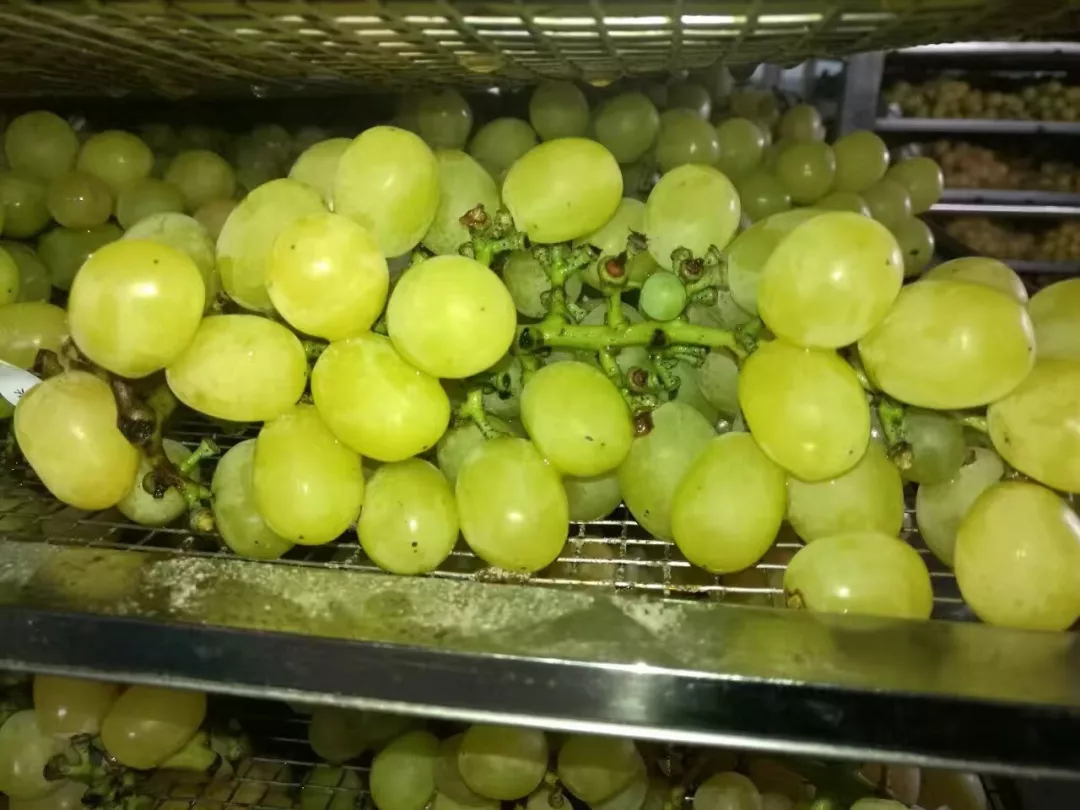
It must have good heating and heat preservation, ventilation and water dispersion equipment, and good sanitary conditions, which can greatly shorten the drying time and ensure the output quality. However, the cost is high and the operation technology is complicated. At present, many grape drying units at home and abroad are gradually developing in the direction of artificial drying.
1. Soaking liquid and its emulsification: Mix 0.6 g potassium hydroxide and 6 ml 95% ethanol, add 3.7 ml ethyl oleate, shake well, and then add 1,000 ml 3% potassium carbonate aqueous solution, stirring while pouring to obtain alcohol-soluble oil-alkali emulsion.
2. Heat pump drying: tray loading capacity 14-20 kg/m~2, initial temperature 45-50℃, final temperature 70-75℃; drying time 42-60h. The system dehumidification capacity should be large, and the dehydration rate has reached 70%. It still remains green after being completely dried. The moderately dried raisins are soft and no juice oozes out when pressed by hand. The water content is 15%-17%, and the drying ratio is 3:1-4:1.

5. Finished product processing: Shake the thorns to make the raisins fall off. Rub them slightly and use a windmill, sieve or natural wind to remove impurities such as fruit stalks, dry leaves and shrunken grains. Then it is manually graded, packaged, stored and sold according to color fullness and sourness and sweetness.
Previous
Next
Previous
Next

E-mail: 18150135290@163.com
Phone: +86-18150135290
WhatsApp: 8618150135290