


Abalone drying
Release time:

The processing season of abalone is generally summer and autumn, when abalone is fatter and easier to catch. The traditional processing of abalone is mainly to process it into dried abalone. It greatly extends the sales cycle. Dried abalone also has a special flavor and tastes very delicious. This article briefly introduces the production of dried abalone.

Abalone processing steps:
1. Wash the surface mud and other dirt of the fresh abalone with clean sea water. Hold a round-headed knife and insert it into the inner wall of the shell from the front end of the thick meat, cut off the meat column, take the meat out of the shell, remove the connected internal organs, and wash the meat. Be sure to clean the abalone.
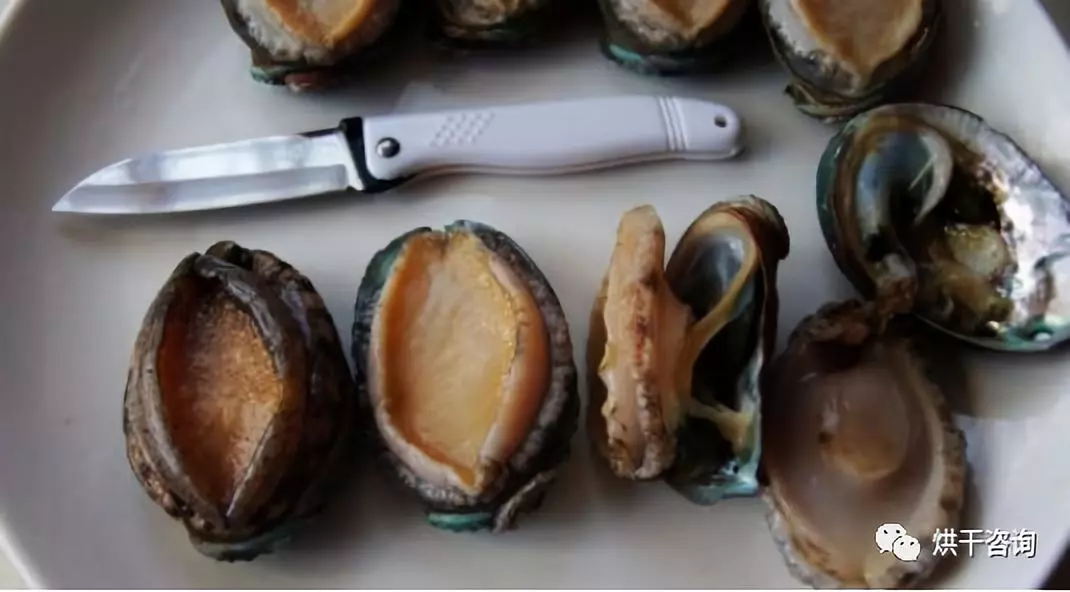
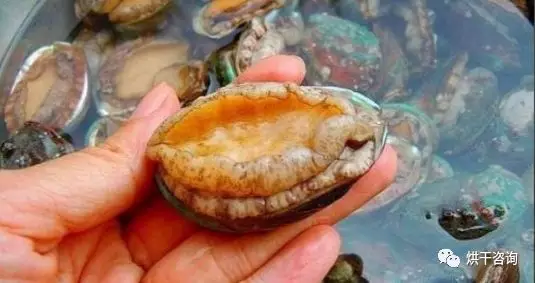
2. Add 6% refined salt to the cleaned abalone meat and mix well. Marinate in a basin or tank. Take it out after 8 hours, gently scrub it in seawater to remove the melanin and mucus remaining on the edge of the abalone meat, and then wash and drain.

3. First, inject seawater into the pot, with a ratio of water to abalone meat of 4:1. When the water is boiled to about 80℃, put the abalone meat into the pot, boil it for about 6 minutes, then take it out and put it into cold boiled seawater, wash off the dirt and foam, drain the water, and then put it out for drying or push it into the drying room.
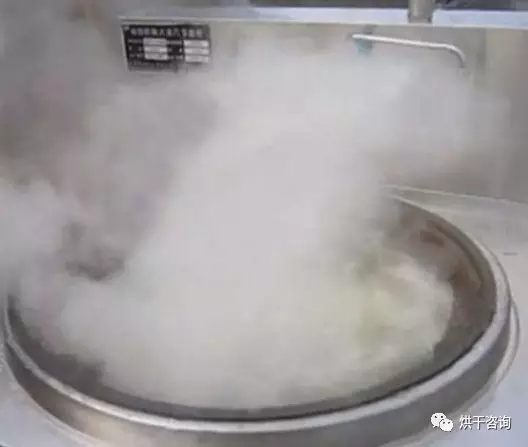
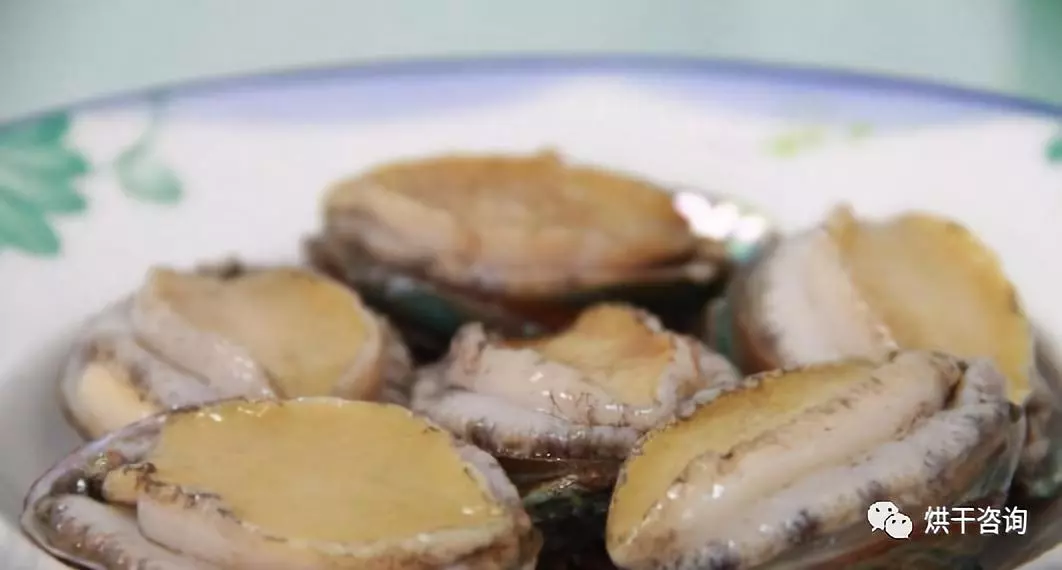
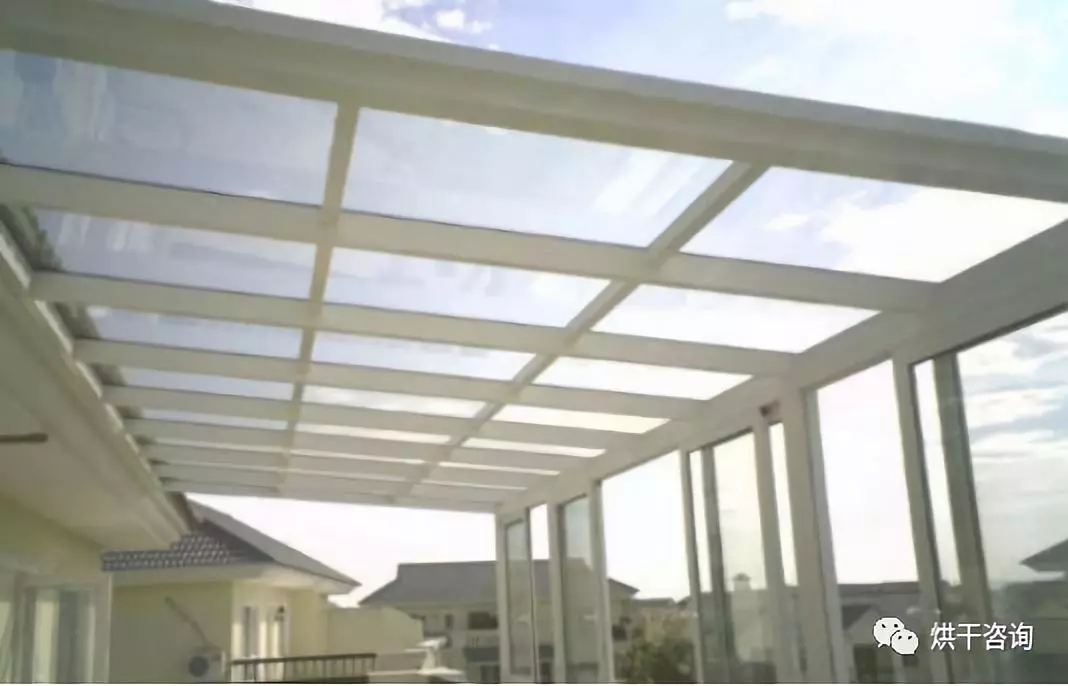
4. Drying method 1. Sun exposure. Place the cooked abalone meat on a clean mat and dry it in the sun. It is better to set up a rack and dry it flat. Large abalones dry slowly and are easy to deteriorate. Therefore, when drying, cut the large abalone meat on the back 2 to 4 times diagonally, but do not cut it in pieces, keep the slices large and the meat intact, so as to accelerate drying and prevent deterioration. Turn it over and dry it 3 to 4 times a day until it is dry before it can be put into storage. After storing it for half a month, let it out of the air once again, and it is the finished product. In some areas, when drying, string the cooked abalone meat into strings with a thread and hang it on a cross-shaped wooden pole for about 4 days to completely dry it. However, when stringing, a certain gap must be kept between the abalone meat.
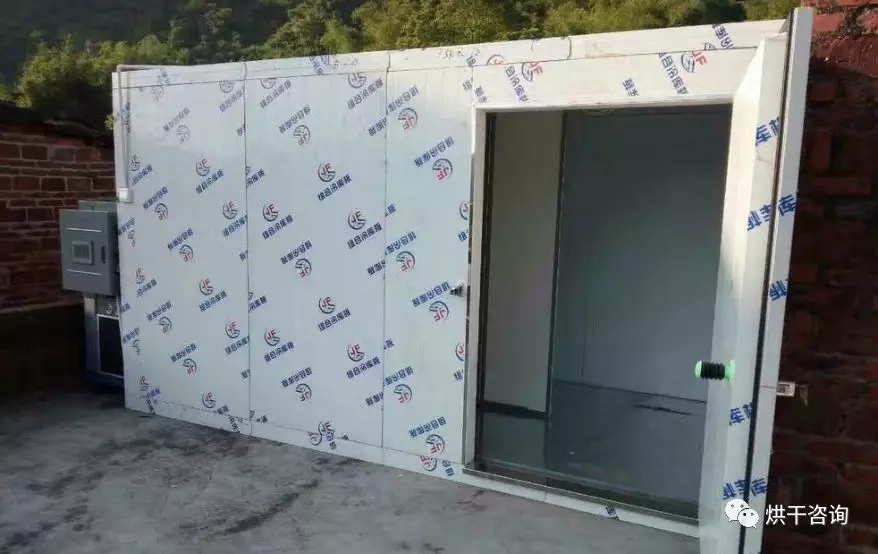
Drying method 2. In addition to using traditional sun drying, you can also use an abalone dryer based on cold air drying heat pump technology. It is necessary to use a closed-loop technology, condensation dehumidification and a heat pump drying system with heat recovery technology. This dryer dries gently and simulates the dry and cold climate in winter. The dried abalone produced has good color and appearance.
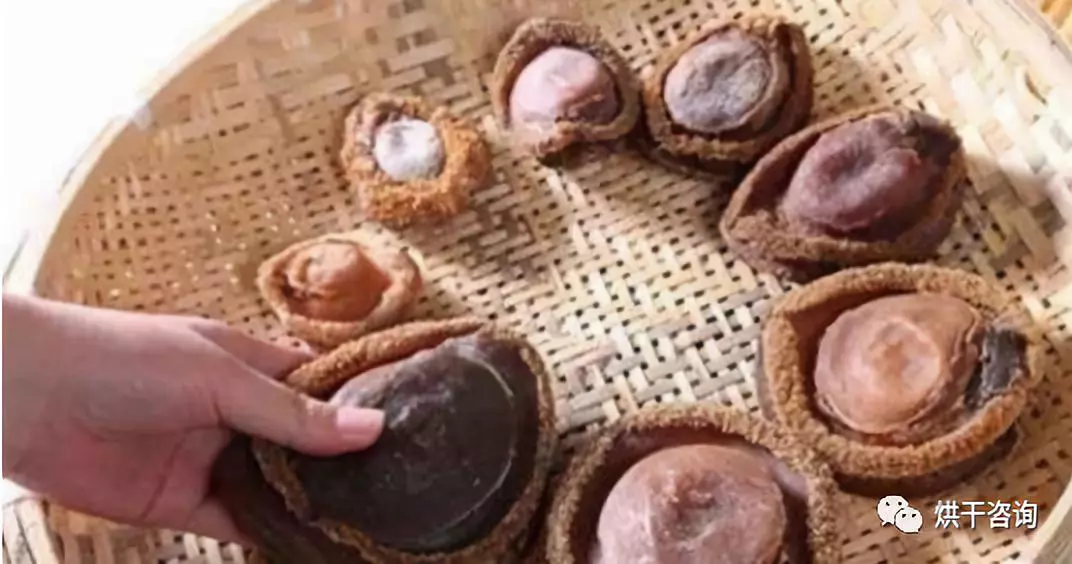
5. Technical points of heat pump abalone drying machine. Adopt 30-40 degrees relatively low temperature drying. The dried abalone is of high quality, not cracked, good color, good nutritional elements, good rehydration, large water expansion, low noise, stable operation and low operating cost. Pay attention to temperature control. If the temperature is too high, the dried abalone will be yellowish. The cold air drying system can also be used in the processing of various aquatic products such as sea cucumbers, squid, dried cuttlefish, yellow croaker, eel, herring, scallops, fish maw, shark fin, seahorse, tilapia, and balang fish.
Previous
Next
Previous
Next

E-mail: 18150135290@163.com
Phone: +86-18150135290
WhatsApp: 8618150135290