


Oyster drying
Release time:

Oysters, commonly known as oysters, are also known as oyster roe. People in Weihai often call them "sea oysters". They are a treasure among seafood, with fat, smooth and delicious meat. Among them, the iodine content of oysters is much higher than that of milk and egg yolks, and they are known as "milk in the ocean". Therefore, in the West, oysters are praised as "God's magic food", and the Japanese call them "the source of roots". In my country, there is a saying that "oysters in the south are bear paws in the north", which shows the high nutritional value of oysters.

Oyster processing steps:
As an important oyster producing area, Rushan's specialty Rushan oysters have higher nutritional value and are particularly popular in the market. It is understood that the main cultured species of Rushan oysters are Pacific oysters, which are cultivated in rafts. The cultivation area is mainly distributed in the open waters from Rushankou in the west to Langnuankou in the east. The waters in this area are particularly rich in nutrients and are particularly suitable for oyster growth. It is reported that oysters like to live in shallow waters and attach to rocks or other attachments. Wild oysters are everywhere on the reefs along the coast of Rushan. At present, the cultivation area, output and quality of Rushan oysters are among the best in the country, and it is the largest oyster production base in Jiangbei.

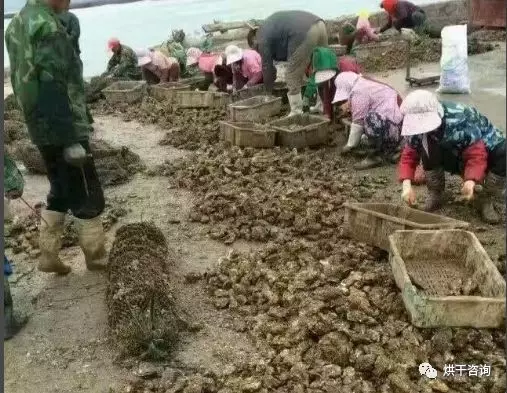
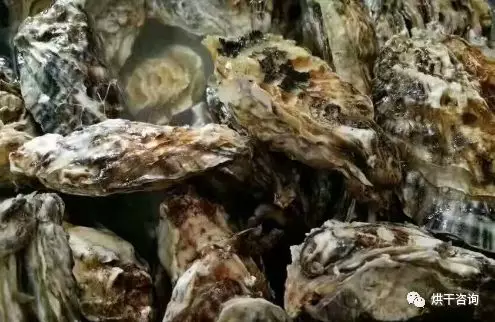
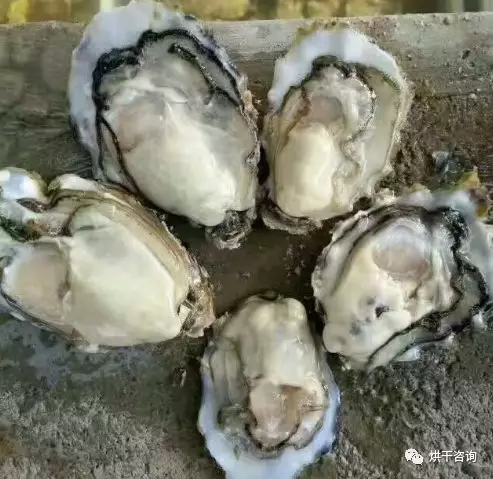
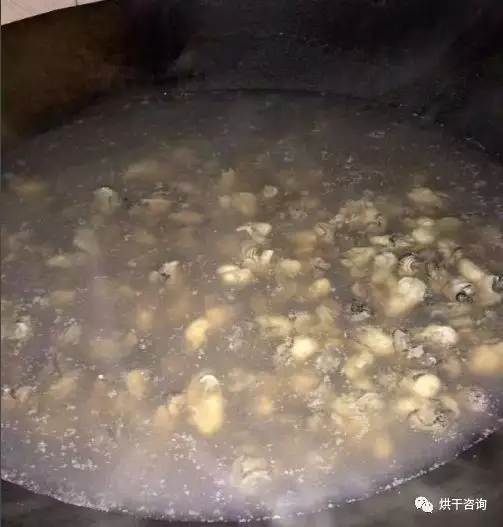
After the harvested oysters are shelled, cleaned, soaked, and then blanched in boiling water (oysters blanched in boiling water can maintain their color and easily evaporate the internal moisture during the drying process), first ensure the integrity of the oyster meat when shelling, then clean the shell residue with clean water, and then soak it in a basin to remove some mucus, so that it can be blanched in boiling water again. The blanched oysters are immediately placed in the material tray, the material tray is inserted into the material cart, and pushed into the drying room.
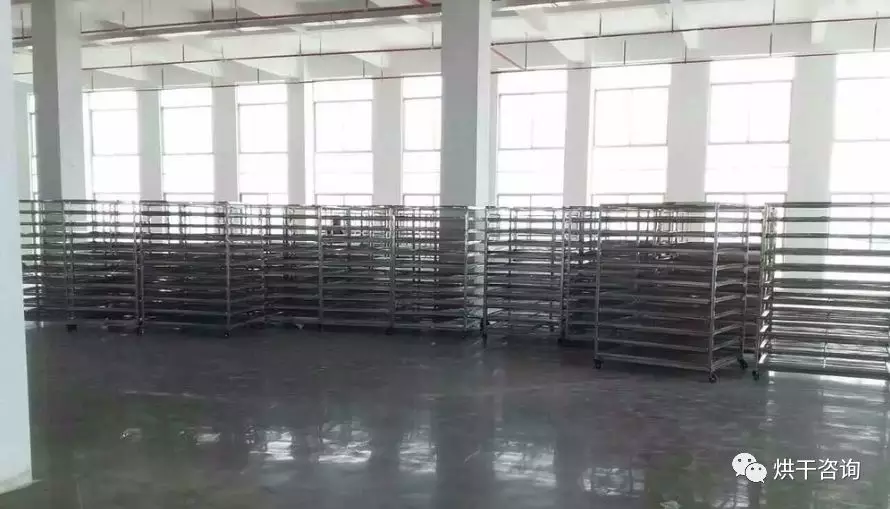
The drying system uses a 6P heat pump drying and dehumidifying integrated host, equipped with a 5.8-meter-long, 3-meter-wide, 2.2-meter-high polyurethane insulation room. The room is equipped with 8 250-watt axial flow circulation fans. The compressed air of the heat pump is heated, and the heat is dissipated through the internal evaporator to the rear of the axial flow circulation fan and blown out. After passing through the material car in parallel, it returns to the return air outlet. There is a return air fan at the return air outlet for dehumidification. In this way, the air path in the drying room forms a push-pull form, and the wind speed becomes very fast and relatively uniform, which is conducive to balanced dehumidification. The high-temperature and high-humidity wind returning from the return air outlet is recovered by the host hot water collector, and condensed into water by the condenser and discharged. In this way, the dry hot air circulates continuously until the oysters are completely dried.
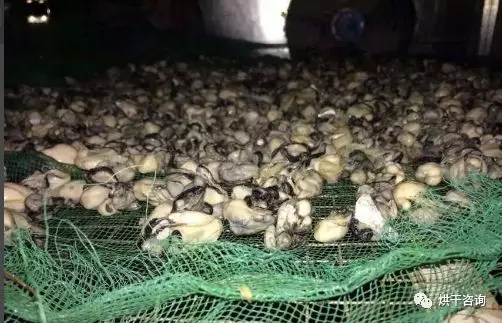

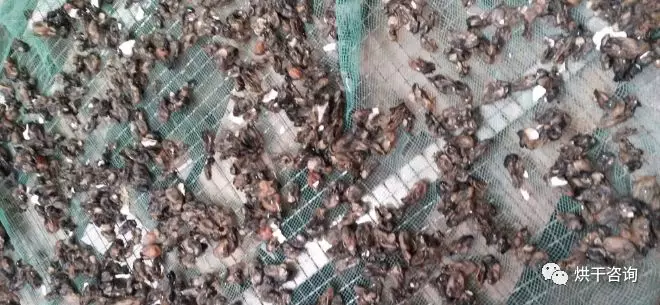
The 6P drying and dehumidification system can load 1,200 kilograms of fresh oysters at a time. The dehumidification capacity of the main unit is 25L per hour, and the temperature is set between 55 and 65 degrees. Each batch takes about 20 hours. The dehydration ratio of oysters after drying is generally about 5 to 1, which is quite large. Therefore, while ensuring the temperature in the drying room, increasing the dehumidification capacity and speed can effectively shorten the time.
Previous
Next
Previous
Next

E-mail: 18150135290@163.com
Phone: +86-18150135290
WhatsApp: 8618150135290