


Marine fish drying
Release time:

At present, the production of dried sea fish is concentrated in some coastal cities. There are many types of dried sea fish, both large and small. There is also frequent rain at the seaside, which has caused trouble for the processing of fish. Drying fish is for preservation (existing customers choose Aubert sea fish dryer for drying). But the nutritional value will be retained in part and lost in part. During the drying process, some bacteria will invade, hindering the development of the dried fish industry. Sea fish dryer is developed and produced on the basis of air energy heat pump technology. It only consumes a small amount of electricity to absorb a large amount of heat energy from the air to quickly heat up the drying room. It cooperates with the secondary waste heat recovery dehumidification device to achieve the purpose of material drying. Compared with traditional drying equipment, it saves more than 60% energy. The drying equipment operates at normal pressure and temperature. There is no pollutant emission during the drying process, and it will not cause pollution to the product and the environment. It is a truly safe and reliable new drying equipment.

Processing steps of dried sea fish:
1. Cutting:According to the size of the fish, three forms of dorsal cutting, ventral cutting and ventral side cutting are used. Dorsal cutting is generally used for large and thick fish. When cutting, cut from the second scale under the dorsal fin of the fish. When the knife reaches the fish skull, cut slightly obliquely in the middle of the skull. Remove the internal organs and tooth mounds, and gently scrape off the blood stains on the spine and the black mucous membrane in the abdomen with a blade. If the fish is large, you should cut the fish under the spine and on the other side where the meat is thick, respectively, with a swallow knife, a clip knife and a fillet knife to make it easier for the salt water to penetrate. If the fish is small and the meat is thin, you can use the abdominal cut. That is, cut in the middle of the fish belly and cut it into two symmetrical pieces. For abdominal cuts, you can cut below the midline of the fish body, up to the periphery of the fish eye, and down to the anus at the tail. After cutting, remove the internal organs.
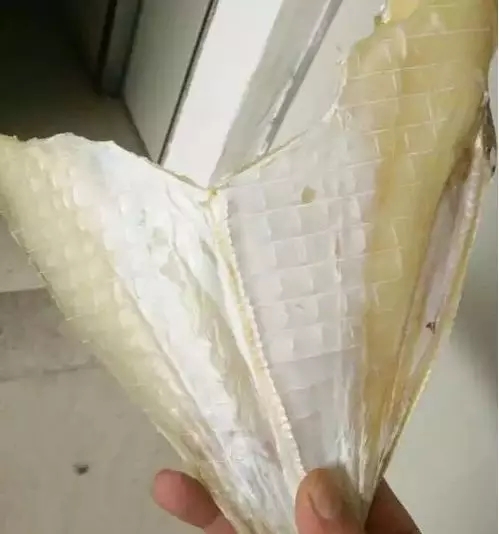
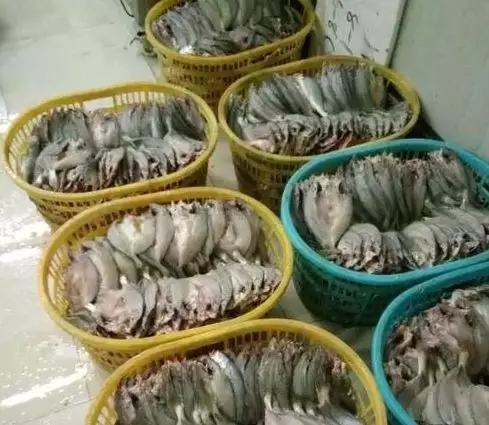
2. Washing:After dissection and before the blood coagulates, use a brush to wash each piece in clean water to remove blood stains and mucus, put them in a basket, and let them drip dry.

3. Salting: The amount of salt used is determined according to the size of the fish. Generally, 18 to 24 kg of salt is used for every 100 kg of fish. Less salt is used in winter and spring, and more salt is used in summer and autumn. When pickling, apply salt evenly to the fish body, gills, swallow knife, eyeballs and fishing holes. Then place it in the pickling pool, with the meat side facing up, the fish scales facing down, the fish head slightly lowered, and the fish tail tilted upward, and stacked layer by layer. When stacked to the pool mouth, you can continue to stack until it exceeds the pool mouth by 10 to 15 cm. After 4 to 5 hours, when the fish body shrinks to the same level as the pool mouth, sprinkle another layer of sealing salt, cover the surface with bamboo strips, and press with stones. Let the fish body immerse in brine, fully absorb salt, and remove moisture. In summer, it can also prevent flies from breeding maggots on the fish body.
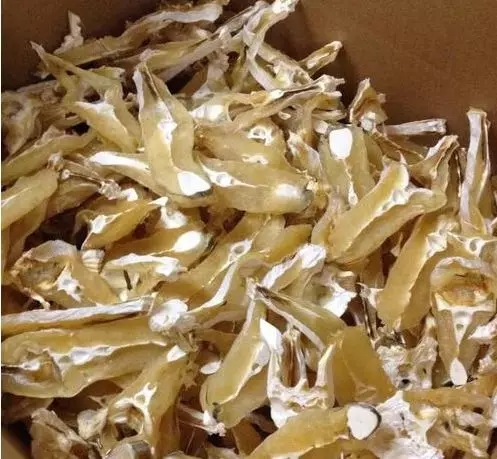
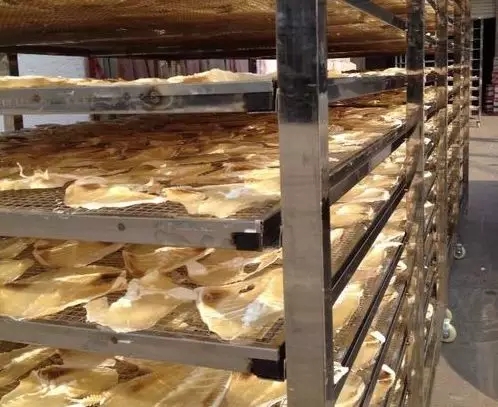
4. Drying: Wash the fish once to remove the contaminants, drain the water, and place it on a special drying tray. Promote the heat pump drying room, open the control panel of the host to dry, the drying process is fully automatically controlled by the computer version, no manual supervision is required, and the drying time of general marine fish is about 22-28 hours.
Traditional air drying relies on natural air drying, which requires a large area of drying field. Affected by the weather, the labor intensity is high, flies and insects are easily bred, and food hygiene cannot be guaranteed; some enterprises use coal furnaces for drying, which has high temperature, poor quality, serious oil production, and excessive sulfur content in smoke and fire, poor color and appearance, and difficult to control temperature and humidity. It requires manual supervision at all times and is in the process of elimination. Therefore, under this background, simulating the environmental conditions of natural drying, normal temperature and high-efficiency heat pump dehumidifiers were developed and used in the drying processing of aquatic products such as whitebait.
The normal temperature drying system uses the principle of low dew point dehydration to force dry air to circulate in the drying room, so that the water content gradually decreases to achieve drying. The low temperature and low humidity air continuously absorbs moisture from the surface of the food during the forced circulation, and the saturated air is dehumidified by the high-efficiency dehumidification unit. The normal temperature drying system simulates the natural air drying environment in winter in the warehouse, and uses low temperature, low humidity, and high wind speed to quickly dehydrate and dry the materials, while forming a special processing method to form flavor.
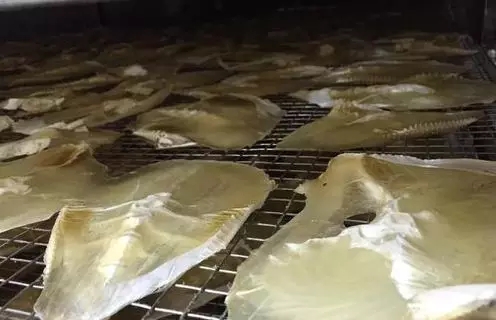
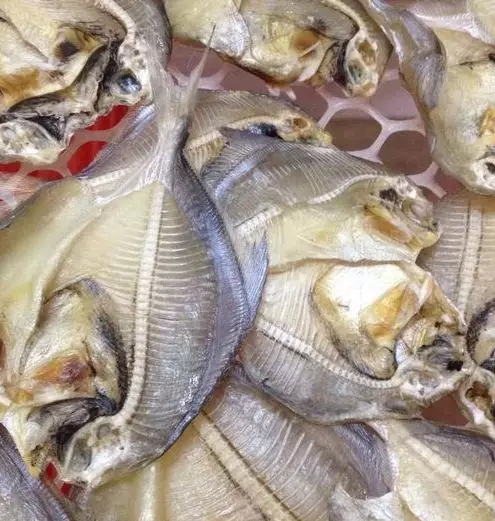
5. Storage:After drying, take out the dried fish and put it into the packaging bag. If conditions permit, it can be vacuumed and stored in a cold storage at low temperature, or it can be packaged and stored at low temperature and away from light.
Previous
Next
Previous
Next

E-mail: 18150135290@163.com
Phone: +86-18150135290
WhatsApp: 8618150135290