


Matsutake drying
Release time:

Matsutake has now become a high-end ingredient on consumers' tables, which is more in line with the dietary needs of modern people. The value of Matsutake is also constantly increasing. How to process high-quality dried Matsutake has become a new direction for deep processing companies to continuously innovate and improve their processes. For the processing process, we provide some experience and insights to everyone.

Matsutake processing steps:
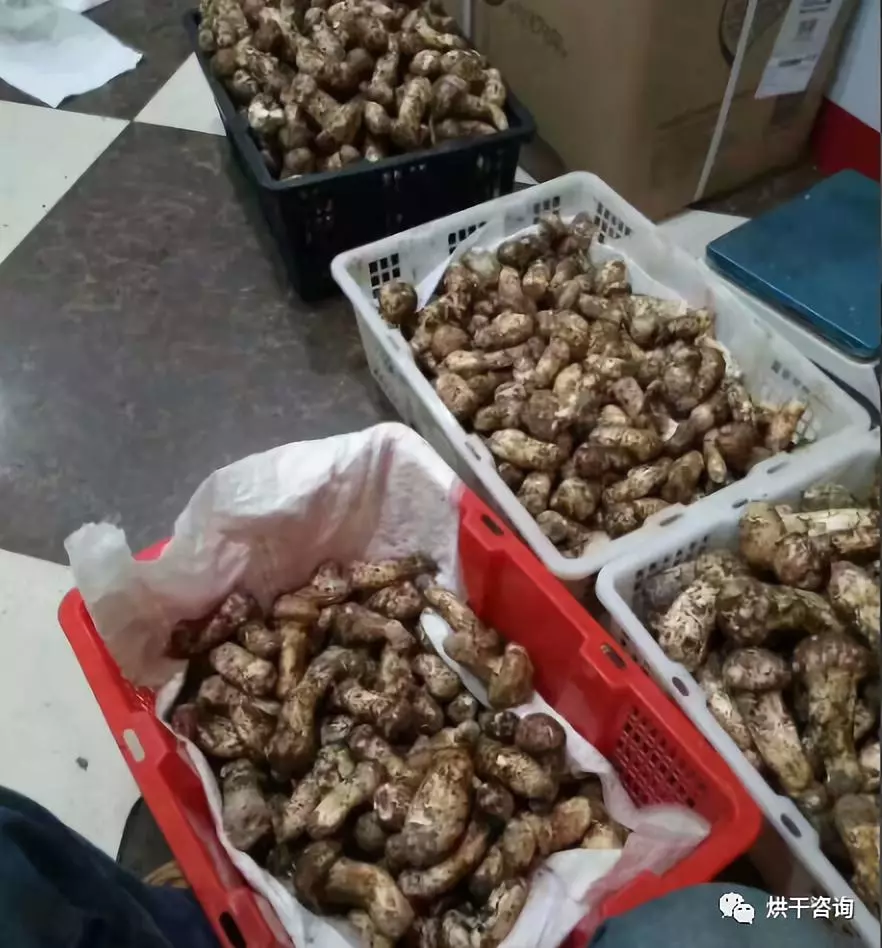
1. Preliminary treatment: First remove the soil and weeds on the mushrooms, and carefully scrape off the sand at the roots with a ceramic knife or bamboo knife. Try not to use a steel knife, which will make the matsutake smell fishy. Finally, use water to brush off the dust on the surface. Move quickly and use a small soft brush when necessary. Remember, do not soak the matsutake in water, because the taste of the matsutake will be greatly reduced after absorbing water. When placing the mushrooms on a plate, the caps should face upwards and the stems should face downwards, and they should be placed evenly. The Matsutake mushrooms must be dried within 6 hours after harvesting. If refrigeration conditions are available, the storage time can be appropriately extended.
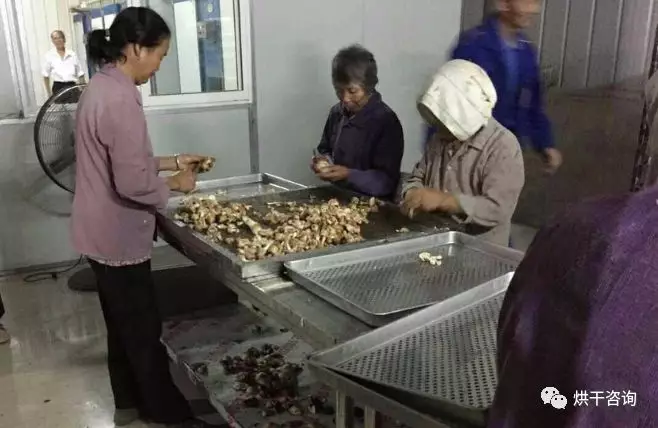
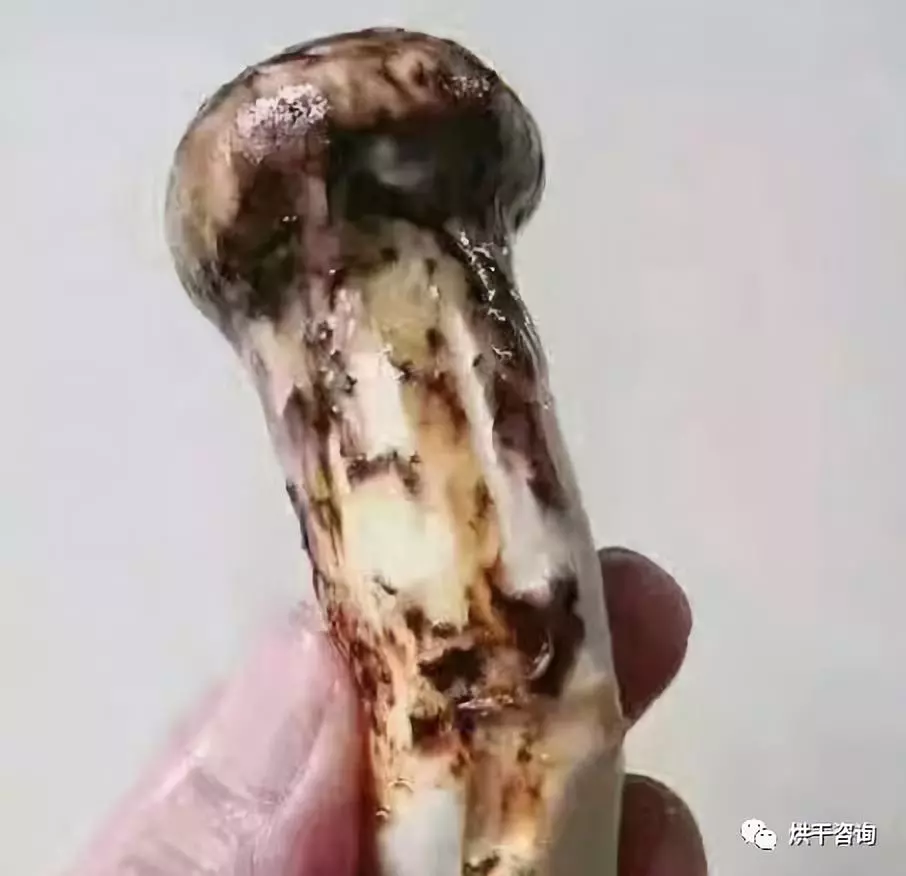
2. Control of the drying temperature of Matsutake: When the temperature of the drying room rises to 35 degrees, the Matsutake can be pushed into the drying room. When drying, it must be baked at low temperature first, and then the temperature is gradually increased. Usually the temperature rises 1-3 degrees in 1 hour, and the maximum temperature should be controlled below 70 degrees. It is generally required to be baked between 35-40 degrees for 6 hours, between 40-60 degrees for 8-10 hours, and between 60-70 degrees for 2 hours. The higher the moisture content of Matsutake, the longer it needs to be baked under low temperature conditions. If the temperature rises very high at the beginning of baking, the tissue will lose water too quickly, the cap of Matsutake will be deformed and not round, the gills will overlap, the cap will crack, and the color will turn black, which will also destroy the activity of the enzyme and make the Matsutake lose its original fragrance. Matsutake needs to be dried continuously in the drying room until it is dry. Heating cannot be interrupted. Temperature control needs to be precise and cannot fluctuate too much, otherwise it will affect the drying quality. This is why the integrated heat pump drying and dehumidification equipment is more guaranteed in drying quality than the split heat pump drying equipment.
3. Control of humidity during drying of matsutake: In the drying process of matsutake, in addition to strictly controlling the heating temperature, timely dehumidification is also an important link. The basic principle of dehumidification is: in the early stage of matsutake baking, when the temperature of the drying room is maintained at 35-40 degrees, full-load dehumidification should be carried out. When the temperature rises to 40-60 degrees, intermittent dehumidification can be carried out. The dehumidification amount above 60 degrees is controlled by time. Excessive dehumidification is not allowed, which will make the color of matsutake white. If the color of matsutake after drying is water-soaked yellow, it means that the dehumidification control is not good, or the temperature is not enough. Stopping the machine in the middle is also easy to cause the above phenomenon, which needs to be effectively adjusted.
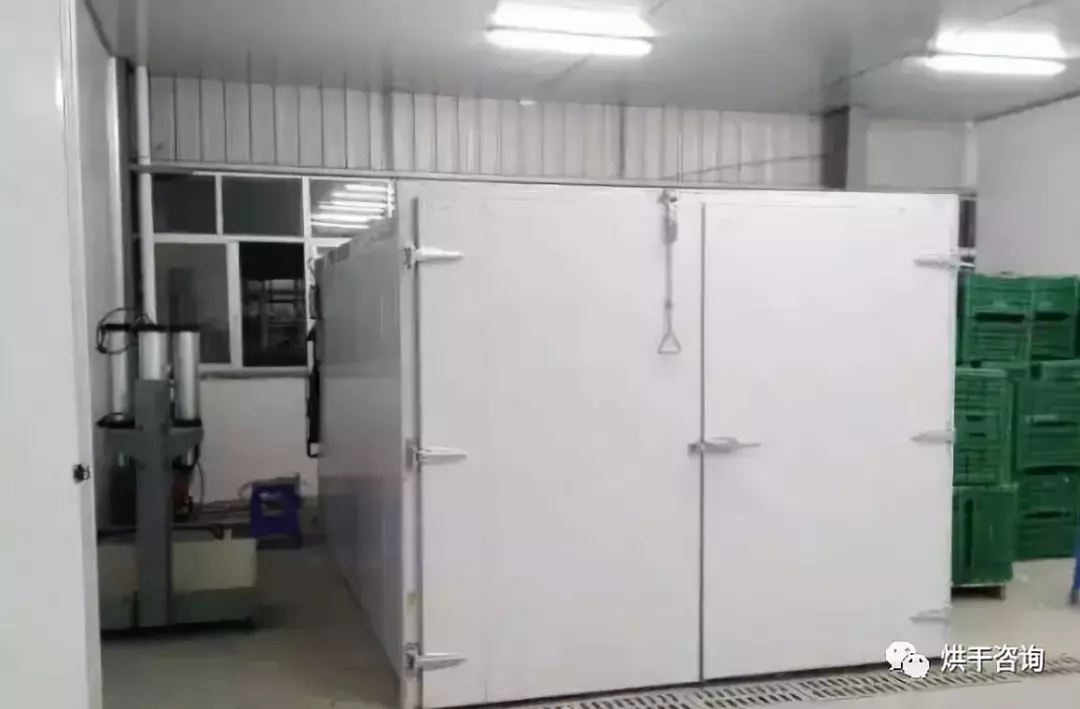
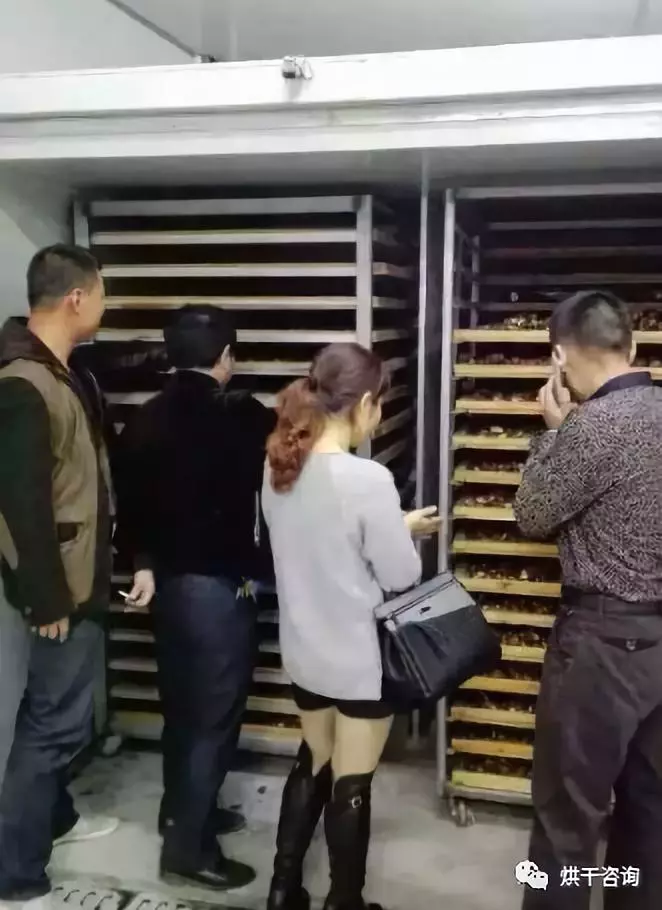
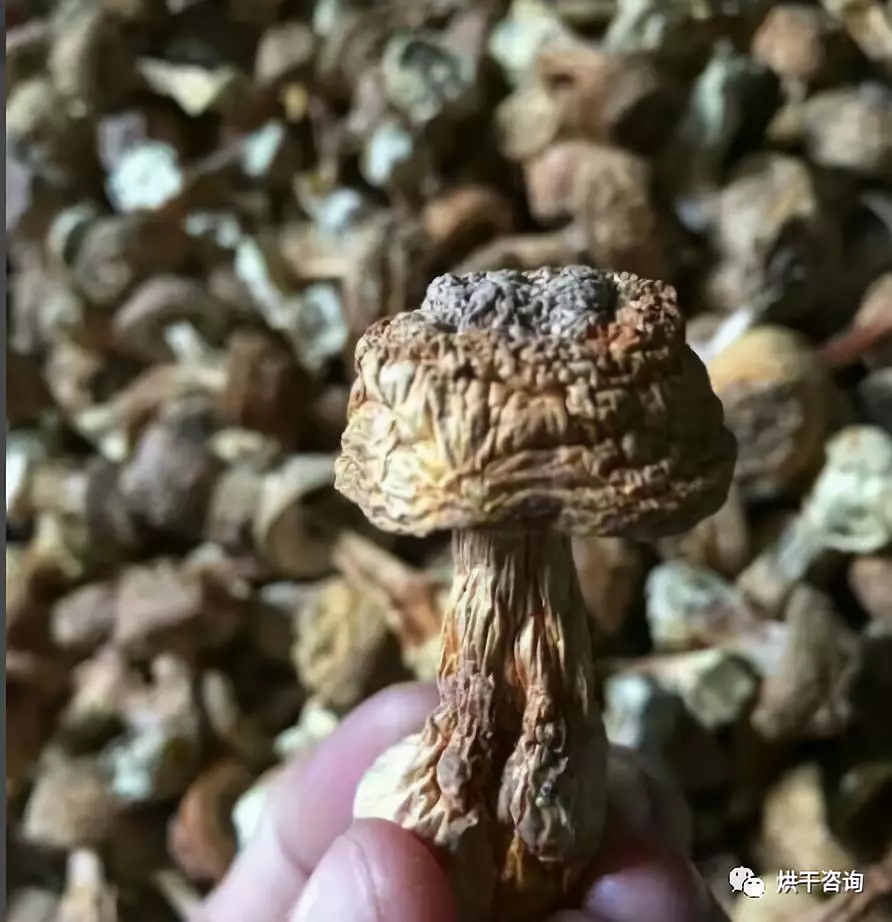
4. Inspection of drying quality of matsutake: After 16-18 hours of drying, you can open the door of the drying room to check whether the dryness of matsutake is qualified. When checking, press the junction of the cap and the stem with your fingers. If there is only a trace, it means that the dryness is qualified. If it feels soft on the hand and the gills are also soft, it means that the water has not been completely discharged and it needs to be dried further. Qualified dried matsutake products have a special mushroom fragrance, yellow gills, and upright and complete gills. The water content of the fungus is 13%, the matsutake maintains its original shape, the cap is round and flat, and the natural color is maintained.
Previous
Previous

E-mail: 18150135290@163.com
Phone: +86-18150135290
WhatsApp: 8618150135290