


Altissima drying
Release time:

There are many kinds of edible fungi, such as black-skinned Alpinia fasciata, boletus, morel, shiitake mushroom, black fungus, white fungus, Agaricus bisporus, Pleurotus eryngii, Brazilian mushroom, Agaricus blazei, bamboo fungus, Hericium erinaceus, Coprinus comatus, etc. They are usually rich in protein and amino acids. Different species have different nutritional values. They have health value of resisting diseases and improving immunity. They are truly healthy green foods. This article takes the black-skinned Alpinia fasciata drying machine project as an example to introduce the drying essentials of edible fungi and Alpinia fasciata.

Processing steps of Alpinia arborescens:
1. Water content of Alpinia arborescens
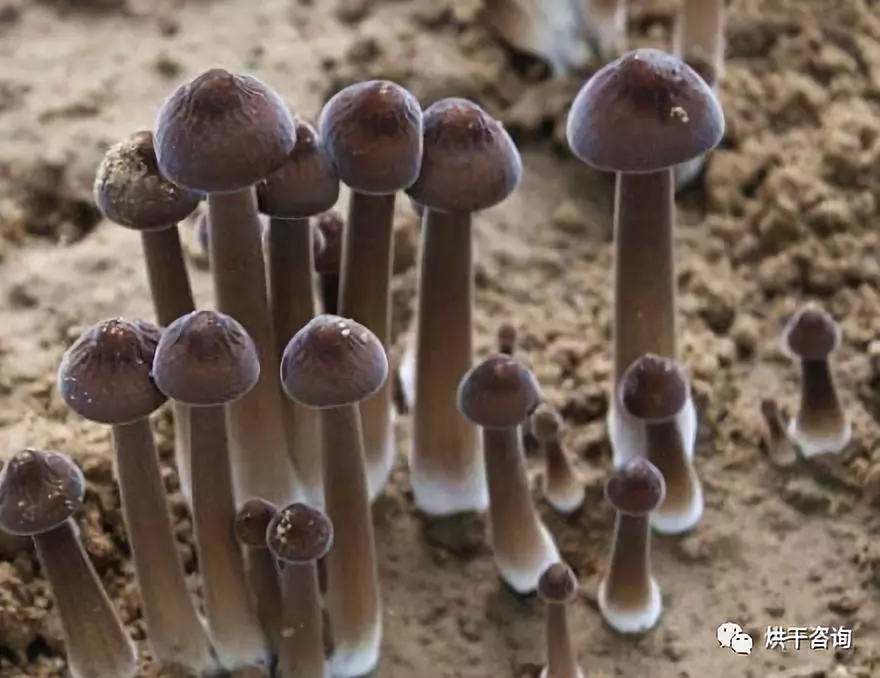
Different types of edible fungi have different initial water content. The final water content of edible fungi after drying is about 10-15%. The initial moisture content of the black-skinned Alpinia hortensis is relatively high, reaching more than 80-90%. Its own humidity and moisture content have a great influence on drying. During the drying process, the drying temperature and humidity parameters should be optimized according to the initial moisture content, dehydration rate, dryness, and final moisture content. This can ensure the quality of the dried Alpinia hortensis and make the drying process more efficient and energy-saving.
2. Color and shape
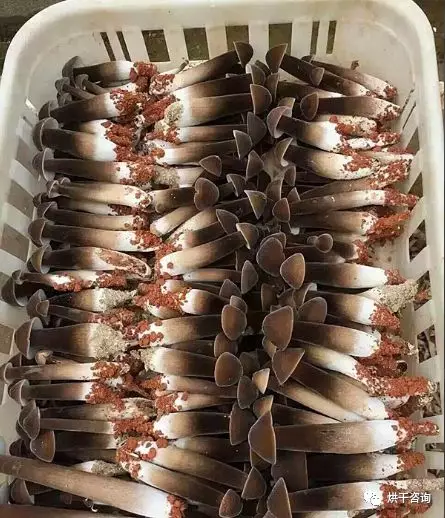
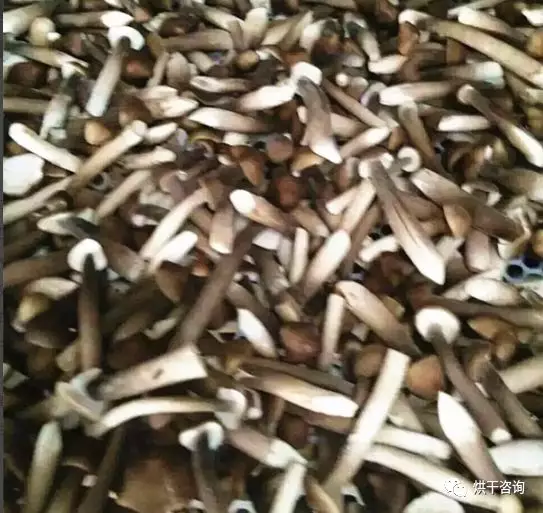
The key to drying edible fungi, Albizia, Boletus, and mushrooms is to set the color and shape. To ensure the appearance, fullness and rehydration of Albizia after drying, set the drying parameters at each stage, and pay attention to not drying too fast.
3. Matching of production capacity and drying room size
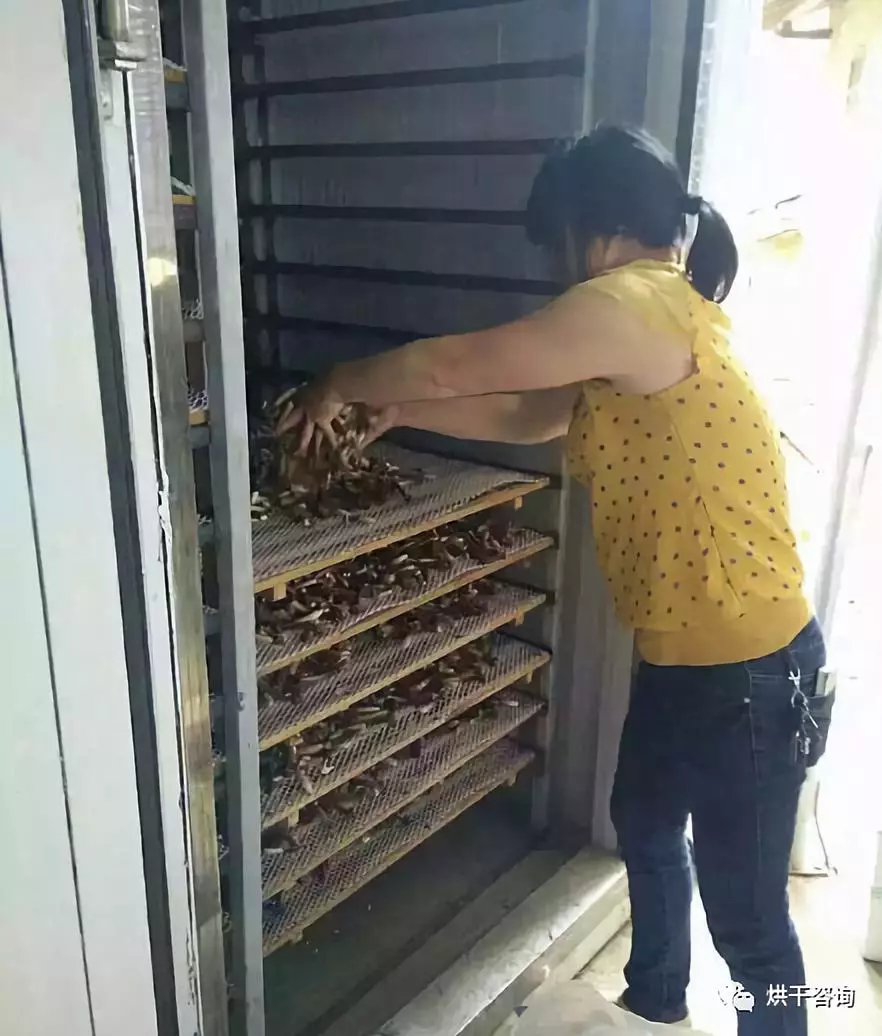
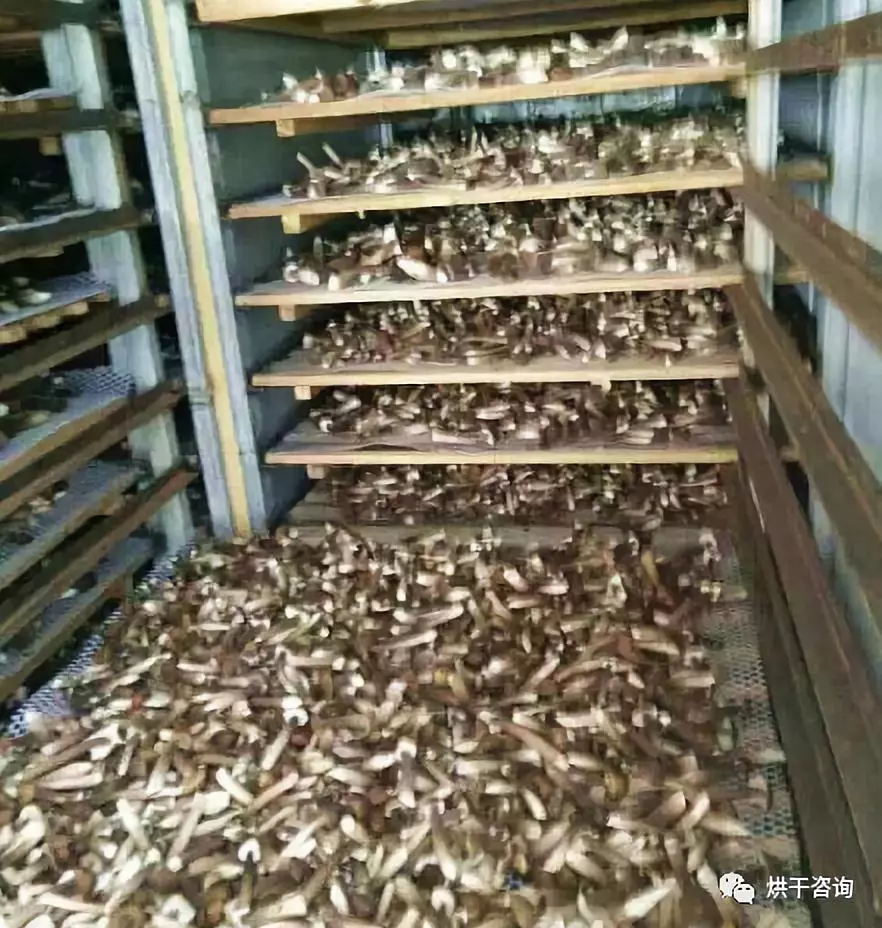
Pay attention to the matching of edible fungi production capacity and drying room size. If the production capacity is too large and the edible fungi drying room is too small, the drying effect will be discounted. If the production capacity is too small and the mushroom drying room is too large, the energy loss will be large. A small-sized chicken mushroom drying machine is about 15-20 cubic meters, and each batch can dry 600-800 kilograms. A medium-sized chicken mushroom drying machine is about 25 cubic meters, and each batch can dry 1200-1500 kilograms. A large-sized chicken mushroom drying machine is about 40 cubic meters, and each batch can dry about 1800 kilograms. For special production capacity, you can choose a dual-machine counter-blowing solution or a personalized drying room customization to ensure that the drying quality is guaranteed while meeting the production capacity and is more energy-efficient and efficient.
4. Selection of insulation materials for drying room
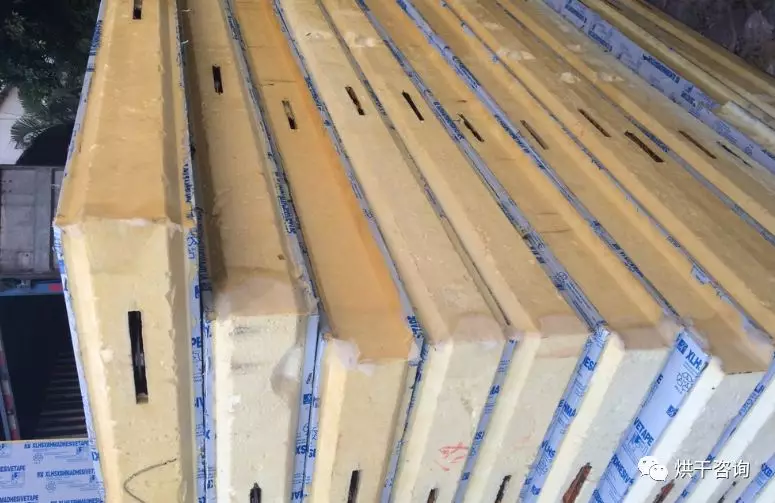
How to reduce energy consumption and increase efficiency when drying black-skinned Alpinia fasciata? This is closely related to the insulation material of the drying room. Usually, when drying materials with low cost control and temperature requirements, foam boards, rock wool boards, etc. are used. However, using 5-10 cm polyurethane foam boards as the board material of the drying room not only effectively reduces the heat loss of the drying room during the drying process of black-skinned Alpinia fasciata, but also ensures that the circulating air in the drying room is more uniform, ensuring the uniformity of drying of materials in the entire drying room.
5. Master the temperature and humidity of drying
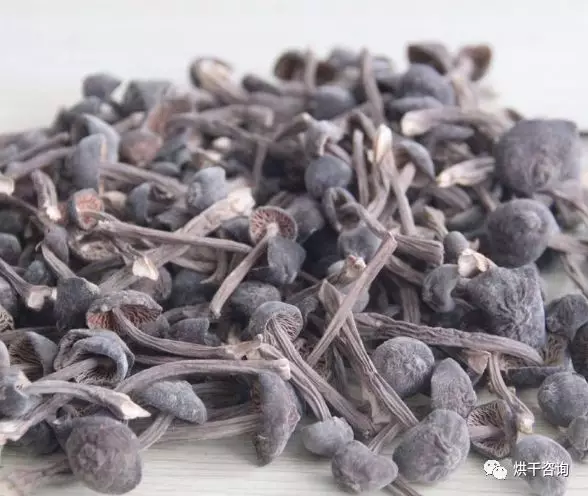
Take the drying of edible fungi and Alpinia fasciata in Shangrao, Jiangxi as an example. The initial temperature is controlled at 35-40℃, and all dehumidification is turned on for about 4 hours. The subsequent temperature is increased by 5℃ each time, and the drying time is about 4 hours. As the temperature increases, the ventilation and dehumidification amount decreases. After three temperature increases, the temperature in the later stage of drying is controlled at 55-60℃ for about 2 hours. The moisture content of the mushrooms is about 10%, and the drying is completed. During the entire drying process, pay attention to the drying speed not being too fast or too urgent, and pay attention to ventilation and dehumidification.
Previous
Next
Previous
Next

E-mail: 18150135290@163.com
Phone: +86-18150135290
WhatsApp: 8618150135290