


Tea leaves drying
Release time:

White tea is a slightly fermented tea and a traditional famous tea created by Chinese tea farmers. It is one of the six major types of tea in China. It refers to a type of tea that is picked, but not withered or rolled, and is only processed by sun drying or equipment drying. It has the quality characteristics of complete buds and hairs, full of hairs, fresh and fragrant hairs, clear yellow-green soup, and light and sweet taste. It is a slightly fermented tea and a special treasure among Chinese teas. It is named because its finished tea is mostly buds, full of white hairs, like silver and snow. The main production areas are Fuding, Zhenghe, Songxi, Jianyang in Fujian, Jinggu in Yunnan and other places. The basic process includes withering, baking, picking, re-firing and other processes. The main process of Yunnan white tea is drying. The advantage of drying tea is that the taste retains the original fragrance of tea.

There are traditional and modern methods for drying white tea. The traditional method is to use sunlight to dry and charcoal fire to bake in a baking cage. The modern method uses a white tea drying dehumidifier for drying. The white tea drying dehumidifier is clean and hygienic, has good drying effect, low labor cost and operation cost, and most importantly, is very energy-saving and environmentally friendly.
White tea processing steps:
1. White tea drying process:
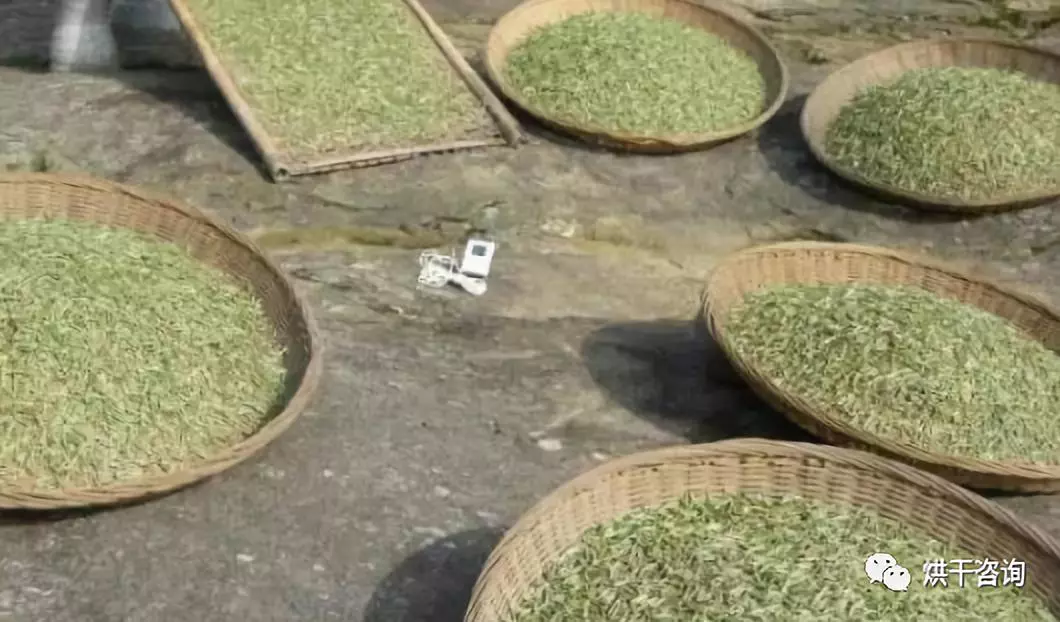
1. The traditional white tea drying process directly uses sunlight for drying. The withered white tea buds and leaves are dried for a certain period of time using specific sunlight to vaporize the excess moisture in the tea leaves. If this drying method is not mastered well, the moisture content of the white tea will be too high, and it is easy to produce moldy odor during storage. The white tea needs to be placed in the sun to dry again in the summer when the weather is clear.
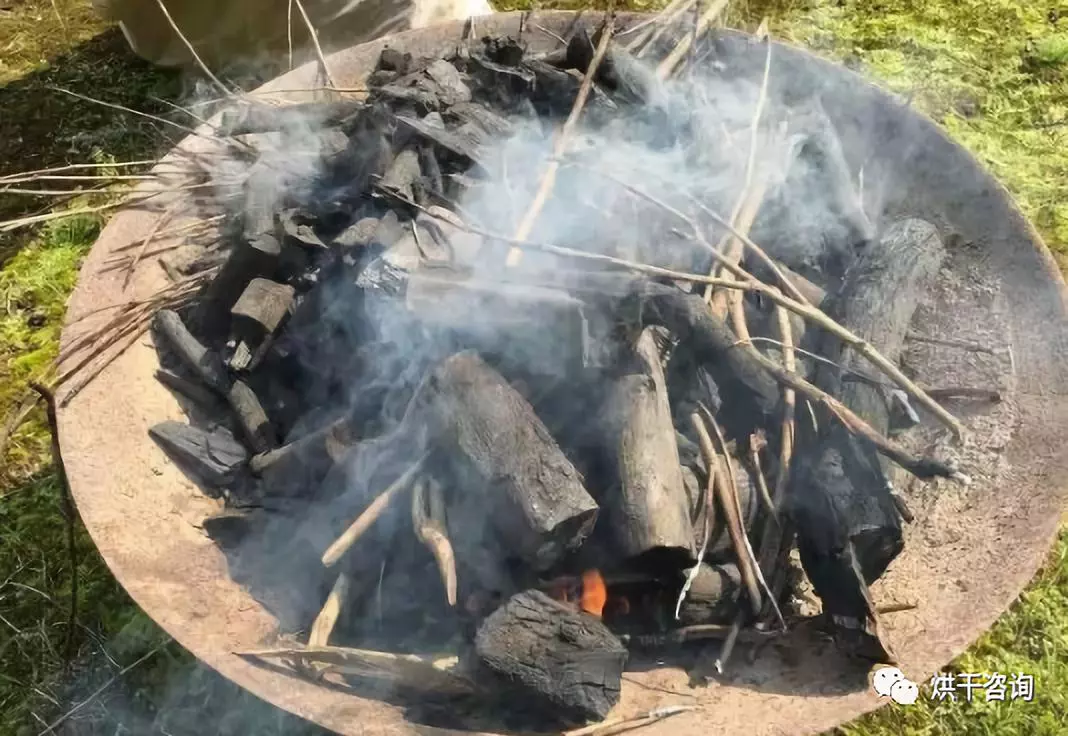
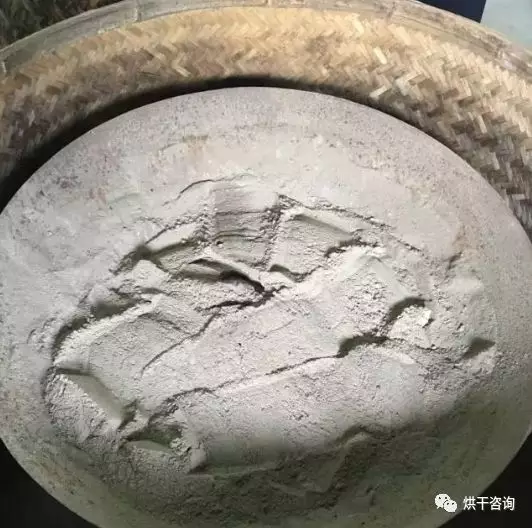
2. Another traditional drying process is charcoal baking. Baking is to place completely burned charcoal in the hot pot (charcoal burning should not produce smoke, which will affect the quality of white tea). The charcoal fire is covered with plant ash to control the temperature above the hot pot at 30-40℃. Spread 0.5 kg of Baihao Yinzhen on the baking cover and bake for 3-5 hours. Stir the tea during the baking process. Baking requires low temperature and slow baking, which is labor-intensive and time-consuming.
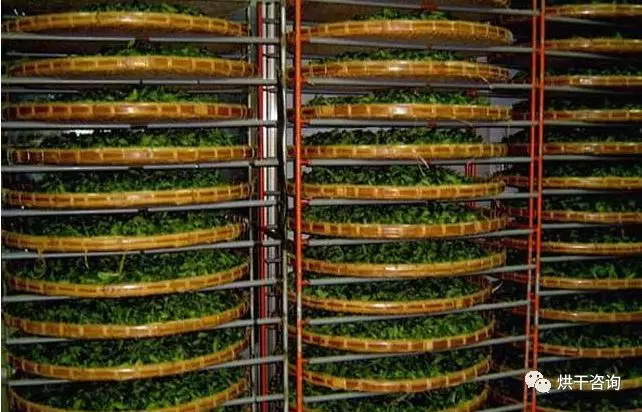
3. The current mass production of white tea is more often dried using white tea drying and dehumidification machines. The following mainly introduces the process of using white tea drying and dehumidification machine to make tea: 1. Picking According to the temperature, white tea is picked with one bud and one leaf of jade white color and fresh leaves just unfolding. It is picked early, tender, frequent and clean. The buds and leaves are in flower, uniform in size, with short stems, picked and placed lightly, and stored and transported in bamboo baskets. 2. Withering After picking white tea, it is withered. The picked fresh tea leaves are evenly placed on the drying tray, and then pushed into the drying room for withering. The whole withering process takes about 30 hours, and the maximum temperature in the drying room shall not exceed 35℃. It is divided into three different stages. The first stage is that the temperature is required to be 20-25℃ for the first 10 hours. The second stage is to slowly heat up the temperature to 27-28℃ after 10 hours, and then to 35℃ after another 10 hours of withering and heating process. Special attention should be paid to ensuring uniform ventilation in the drying room during the whole process.
3. Stacking
Pile the withered white tea together, cover with linen cloth, and let the white tea ferment slightly for 3-5 days.
4. High-temperature drying
After the white tea is piled and fermented, it is dried at high temperature. The temperature of the white tea drying dehumidifier is set to 80-100℃, not exceeding 100℃, and it is dried for about 8 hours. After this process, the moisture content of the dried white tea is controlled below 5%, and the aroma is fresh and the taste is good!
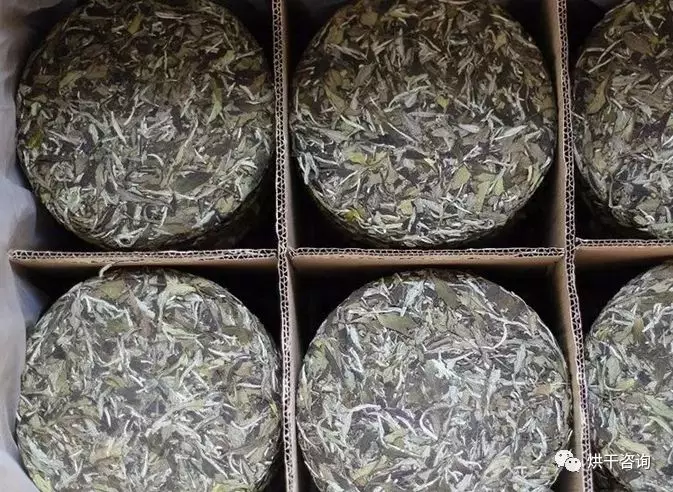
2. Advantages of white tea drying dehumidifier:
With the promotion and application of white tea drying dehumidifier, its advantages are gradually recognized. More and more white tea drying chooses to use Jinkai white tea drying dehumidifier. What are the advantages of Jinkai white tea drying dehumidifier?
Advantage 1: Convenient tea making process
Generally, the withering in the drying of white tea is natural withering, that is, the white tea is spread out in the air after picking, so that some of the water in the white tea can be naturally lost. An advantage of the white tea drying and dehumidifier that is obviously different from other drying machines is that the entire tea making process including withering after the tea leaves are picked can be carried out in the drying and dehumidifier, which is very convenient.
Advantage 2: Environmentally friendly and pollution-free process
Drying is an important process in tea processing. Conventional drying methods such as burning wood, coal and electric heating consume a lot of energy and cause varying degrees of environmental pollution. Drying tea leaves are dried using a drying and dehumidifier. Different drying parameters and drying methods are used at different drying stages of the tea leaves to achieve optimized control of the drying process, improve production efficiency, save energy, avoid environmental pollution, and change backward production and processing methods.
Advantage 3: Better quality and appearance
In the process of tea making, heat is always indispensable, especially in the drying stage, which not only removes water, but also undergoes complex thermochemical changes with the participation of water while evaporating water, further promoting the formation of tea color, aroma and flavor.
If the temperature is too high during the drying process, the outer layer of the leaves will dry first, forming a "hard shell" that will prevent the internal moisture of the leaves from continuing to diffuse and evaporate. Although this type of tea looks dried, it is prone to aging and mildew during storage due to its high actual water content. If the temperature is too low, not only will the water evaporate slowly, but a serious thermochemical reaction will occur that affects the quality, and the tea will have a weak and unpleasant aroma. The white tea drying and dehumidifier can accurately control the drying curves such as temperature, humidity, and time, thereby ensuring the quality and taste of the tea after drying. Moreover, the white tea dried by the white tea drying dehumidifier is more durable. The reason is that in the traditional tea making process, the effective components of the tea flavor are released into the air at any time, while the fragrance and nutrients of the tea are not released to the outside world, and the various effective components of the tea are less lost.
Advantage 4: Low labor cost and operating cost
In addition to the quality of white tea drying, another factor that users value is the cost. To use the white tea drying dehumidifier, just put the tea into the drying room, close the door and turn on the machine, and adjust the parameters according to the temperature and humidity at different stages. The drying process does not need to be turned over. When the time is up, open the door to produce the finished product, saving a lot of labor costs.
In terms of operating costs, the white tea drying dehumidifier also has great advantages. The white tea drying dehumidifier is only 30% of the electric heating dryer, 40% of the fuel dryer, and 60% of the coal-fired dryer, and the white tea drying dehumidifier does not need to consume any materials.
Previous
Next
Previous
Next

E-mail: 18150135290@163.com
Phone: +86-18150135290
WhatsApp: 8618150135290