


Passion fruit drying
Release time:

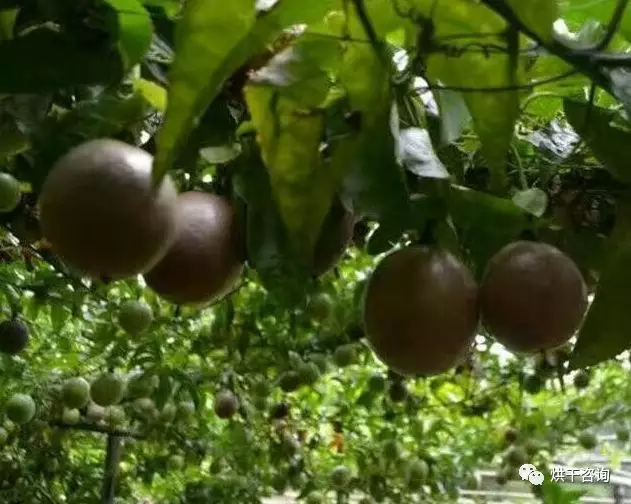
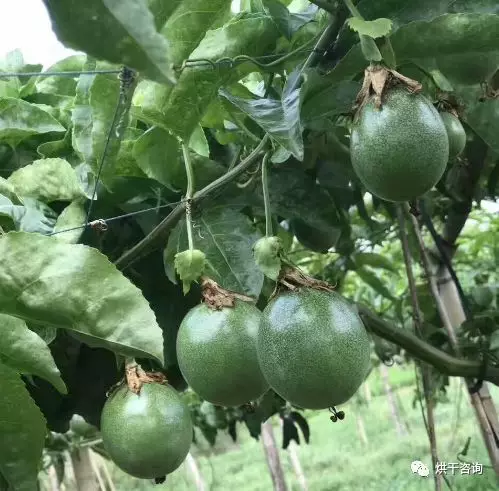
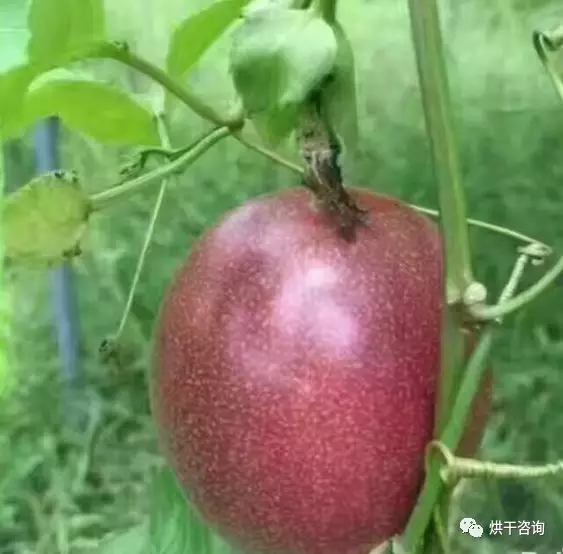
Passion fruit is also called egg fruit, the most suitable growth temperature for egg fruit is 20 ℃ ~ 30 ℃, generally in the temperature of not less than 0 ℃ grow well, to -2 ℃ when the plant will be seriously affected or even die, the average annual temperature of 18 ℃ above the area is most suitable for planting, easy to obtain a good yield. Therefore, it is widely distributed in the warm and humid regions of southern China, especially in Hainan.

Passion fruit processing process steps.
1, raw material collection: collect fresh, pest-free, non-deteriorated, 6 to 8 mature or more egg fruits as raw materials.
2, raw material cleaning: the raw fruit will be placed in the pneumatic cleaning pool for cleaning, to remove the silt and other foreign matter attached to the peel.
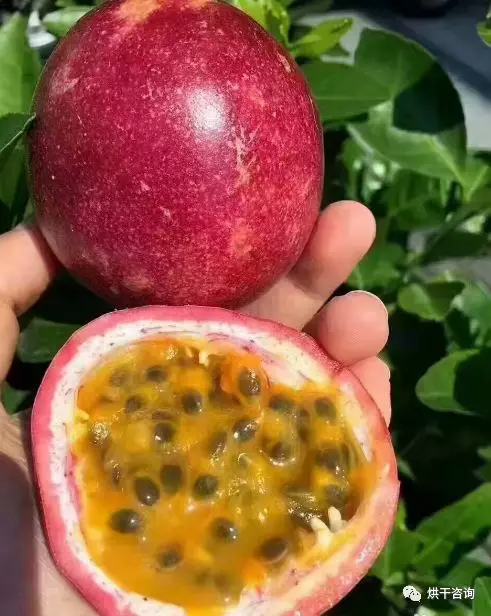
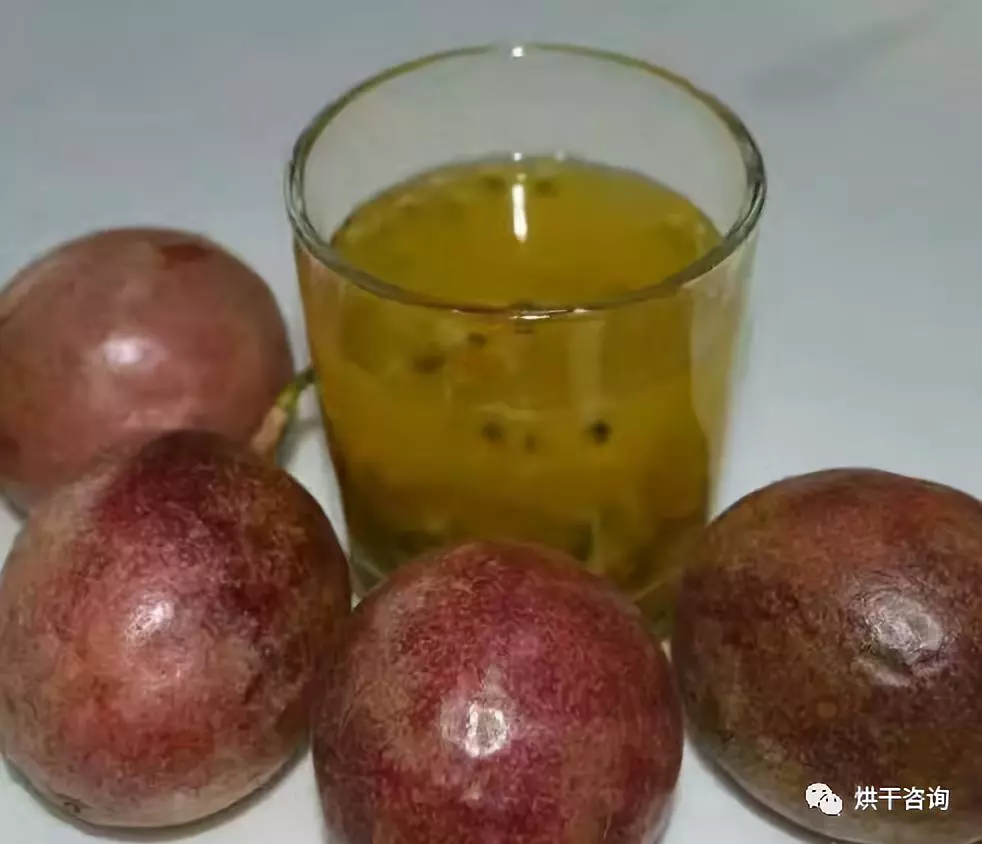
3, raw material processing: the raw fruit is cut and divided and the flesh is dug, the process is to use a knife to cut the egg fruit vertically and to cut the fruit in half, then the pulp is dug out using a spoon, packed in food-grade plastic buckets and stored in a cold store at 15°C.
4、Cooking: in a sandwich pan, use hot water at 90 to 100°C to cook the passion fruit skin until it is easy to separate the cuticle from the peel without rotting.
5, Exfoliation: Separate the cuticle from the peel using a spoon 1/4 the size of the egg fruit.
6, enzymatic digestion: put 40 ppm of pectinase into 40 kg of water to make an enzymatic solution, then mix the enzymatic solution with 80 kg of passion fruit peel and stir well to start the enzymatic digestion of the exfoliated layer of the egg peel, at room temperature for 30 min, filter the enzymatic solution and filter the water clean.
7. Colour protection: soak the enzymatically digested egg peel in a solution of sodium metabisulphite at a concentration of 7‰ for ten minutes, then strain the soaking solution.
8, Candied: the candied fruit is candied in sections, one section is candied with a sugar solution with a 5:1 ratio of white sugar to maltose and a sugar level of 40°Bix for 24 hours; the second section is candied with a sugar solution with a 5:1 ratio of white sugar to maltose and a sugar level of 60°Bix for 24 hours, while citric acid is added at a total weight of 0.5%.
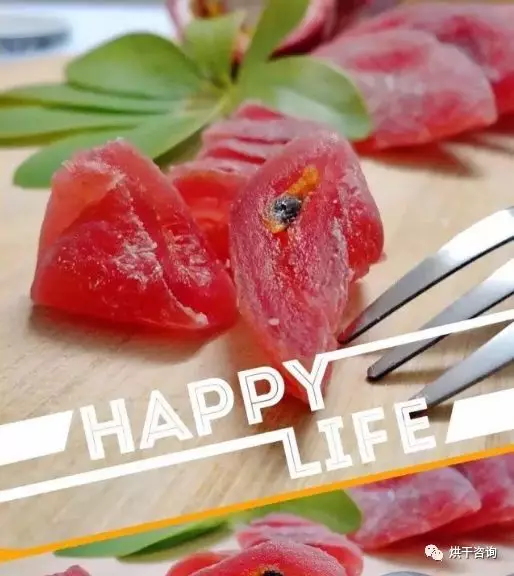
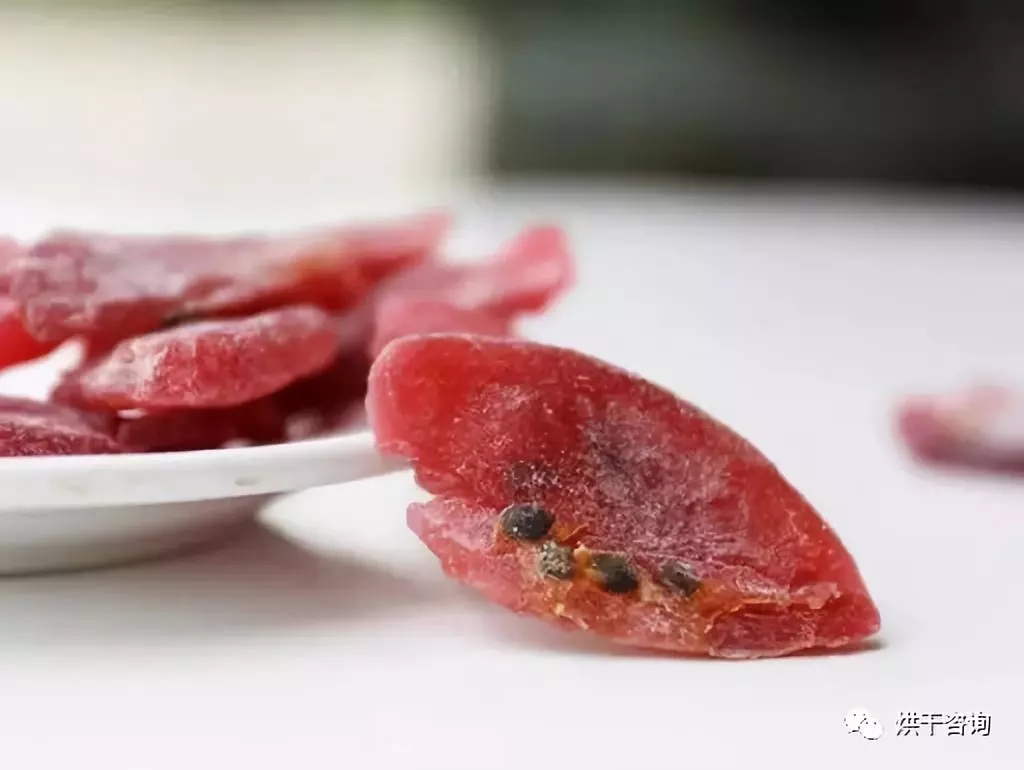
9, pulp processing: the pulp will be thawed, then use sugar and citric acid or sodium citrate and pulp to make modulated pulp, the specific ratio of raw materials is: summer egg fruit pulp 50%, citric acid 0.1%, 49.9% sugar, winter egg fruit pulp 40%, sodium citrate 1%, 59% sugar; then use the egg peel to cut after also has the ability to wrap, will be modulated The pulp is then embedded in the already candied egg peel, so that all the contents of the egg fruit remain intact, and finally placed on the baking sieve in turn and dried in the heat pump drying room.
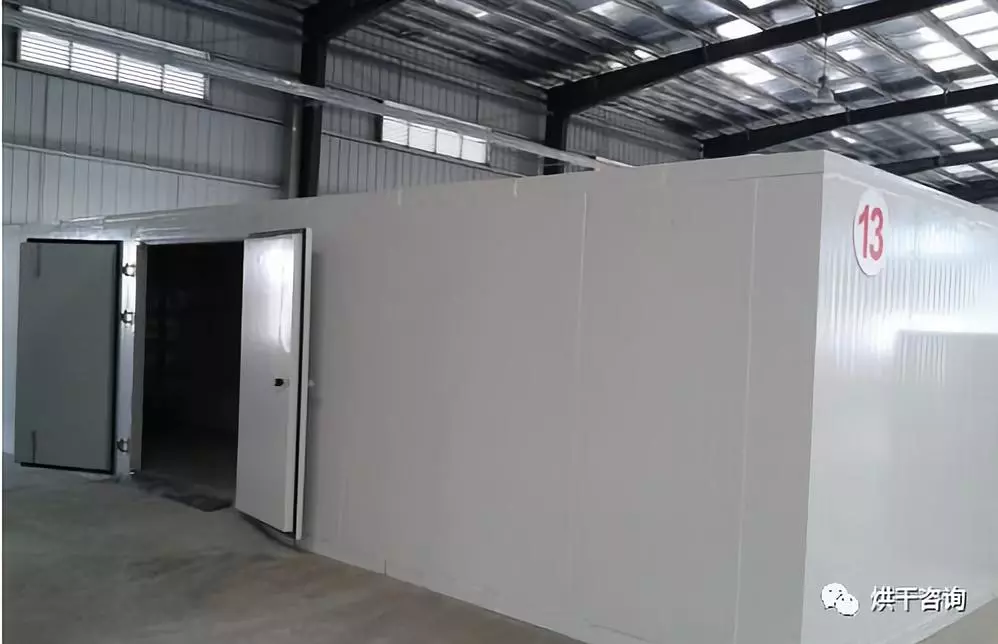
10、Drying: The drying process is carried out in sections. The first drying process is to keep the drying temperature at 60 to 65°C for 6 hours, then leave the product at room temperature for 12 to 14 hours, then turn the other side of the egg peel over to facilitate more even drying, and the second drying process is to keep the drying temperature at 50 to 55°C for 10 hours.
11、Cooling: place the product from the drying room at a temperature of 20 to 25 degrees for 12 to 14 hours, so that the moisture of the product is fully balanced and the taste of the product is softer.
12、Packaging: Sprinkle the cooled product with a thin layer of icing sugar to keep the product dry, and then pack the product in bags according to the quantity to obtain the finished product.
Previous
Next
Previous
Next

E-mail: 18150135290@163.com
Phone: +86-18150135290
WhatsApp: 8618150135290