


Guava drying in drying process
Release time:

Guava is commonly known as guava, na ba zi or ba zi. Taiwan guava is a fruit tree of the genus Guava in the Myrtaceae family. It has very soft flesh, rich juicy flesh, sweet taste, and is almost seedless. Its flavor is close to that of pear and Taiwan jujube. Its fruit is oval, with a milky green to milky white color, which is extremely beautiful. The average single fruit weighs more than 380 grams, and the largest can reach 550 grams. The sugar content is 11.45%, and it contains a large amount of potassium, iron, carotene, etc. It is extremely nutritious. Guava is one of Taiwan's native fruits and a first-class weight-loss fruit.

Guava processing steps:
Process flow
Material selection → cleaning → capsule removal, cutting → color protection, hardening → rinsing → blanching → sugaring → drying → packaging.
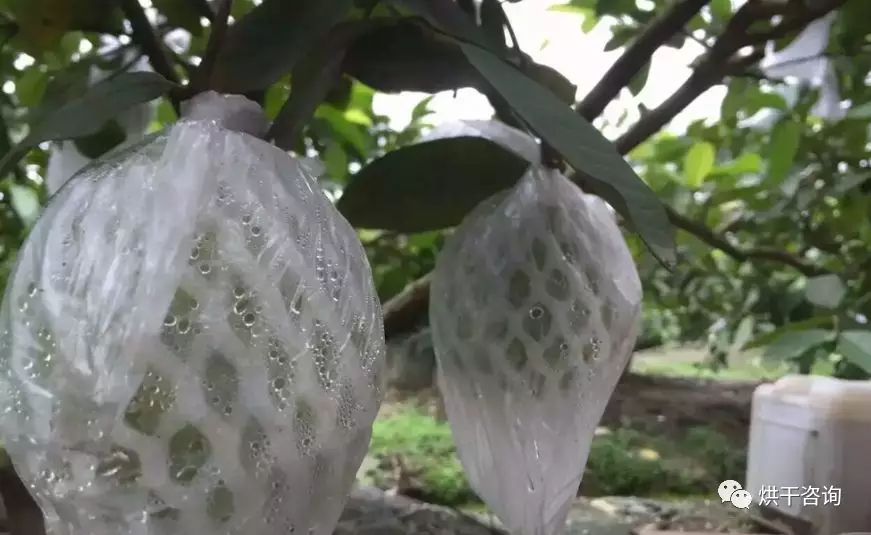
1. Raw material selection The maturity should not be too high, just hard-ripe. Select fruits with a maturity of 8-9, clean them, cut them longitudinally with a knife, dig out the fruit capsule with a spoon, and then cut them longitudinally into strips with a width of 0.8 cm. Then put them into a mixed solution of 0.2% sodium metabisulfite and 0.2% calcium chloride for color protection and hardening for 4-6 hours. Then pick them up, rinse and drain. The fruit capsule contains hard seeds and is not suitable for candied fruit. It can be pulped for making jelly or juice.
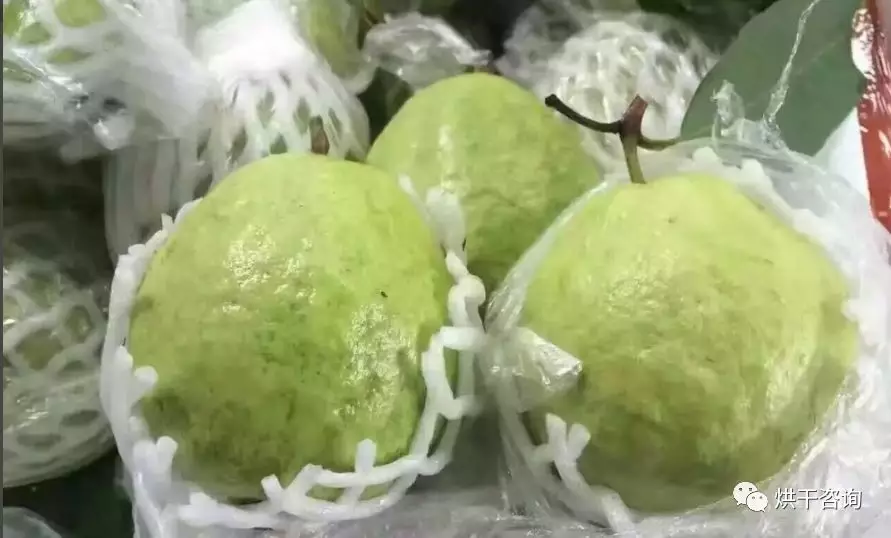
2. Pre-cooking: Boil the water and add the raw materials. The time is generally 2 to 3 minutes, and the raw materials are translucent and begin to sink. Cool with cold water immediately after blanching to prevent over-scalding.
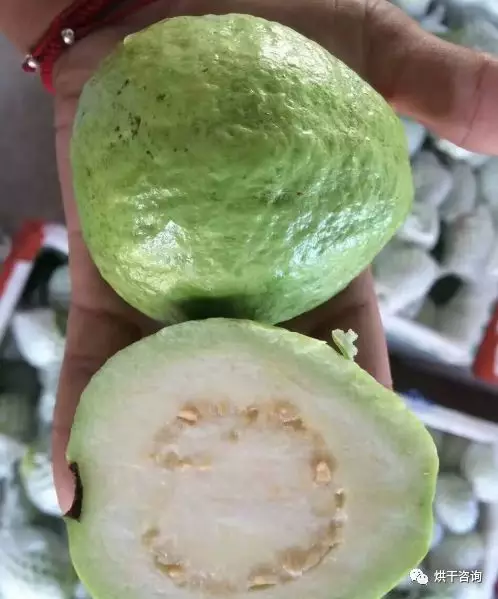
3. Sugaring If the raw materials are pre-cooked, the pre-cooked raw materials can be put into 30% cold sugar solution while hot to cool and sugar-soak. If the raw materials are not pre-cooked, use 30% sugar solution to sugar-soak first, boil for 1 to 3 minutes, and cook until the flesh becomes soft. After sugar-soaking for 8 to 24 hours, remove the sugar solution, add 10% to 15% sucrose by weight of the sugar solution, heat and boil, and pour into the raw materials to continue sugaring. After 8 to 24 hours, remove the sugar solution and add 10% sucrose to the weight of the sugar solution. Heat and boil it and then add it back to the raw material to accelerate the infiltration of sugar. After several infiltrations, the raw material can absorb sugar up to 40 to 50 degrees Bx, reaching the sugar content required for low-sugar preserved fruit. Starch sugar can be used to replace 45% sucrose to reduce the sweetness of guava preserved fruit, while still absorbing sugar and being full and soft. If you want to increase the sugar content of guava preserved fruit, you have to continue to infiltrate sugar until the required sugar content is reached.
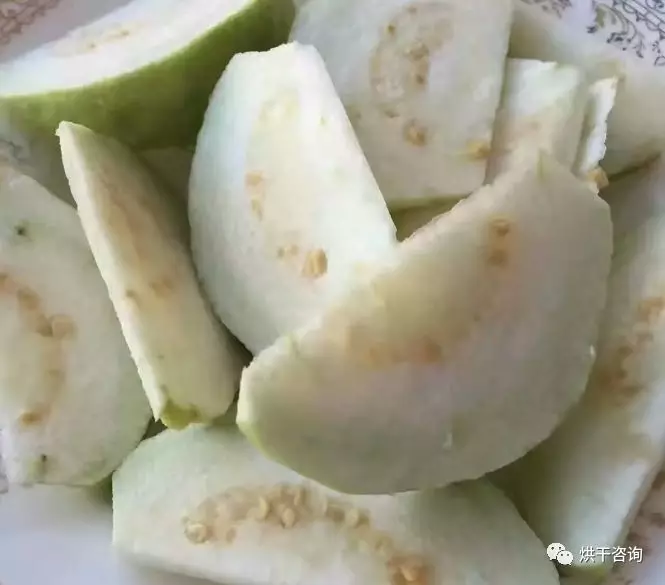
4. Drying process After the guava pieces reach the required sugar content, pick them up and drain the sugar liquid. They can be rinsed with hot water to wash away the surface sugar liquid, reduce stickiness and facilitate drying. The finished guava preserves require the fruit pieces to be translucent, shiny, light orange to dark orange, consistent color, uniform sugar liquid penetration, full tissue, no obvious crude fiber when eaten, sweet and sour, and outstanding original fruit flavor. The total sugar content is 60-65%, the total acidity is 0.5-0.8%, and the moisture content is 18-20%. During the drying process, the temperature can be controlled at 45-55 degrees. In order to facilitate the evaporation of moisture, the low-temperature drying time is longer. The machine can be stopped in the middle stage to soften naturally, so that the moisture can be moved out, and then the machine can be turned on again for drying.
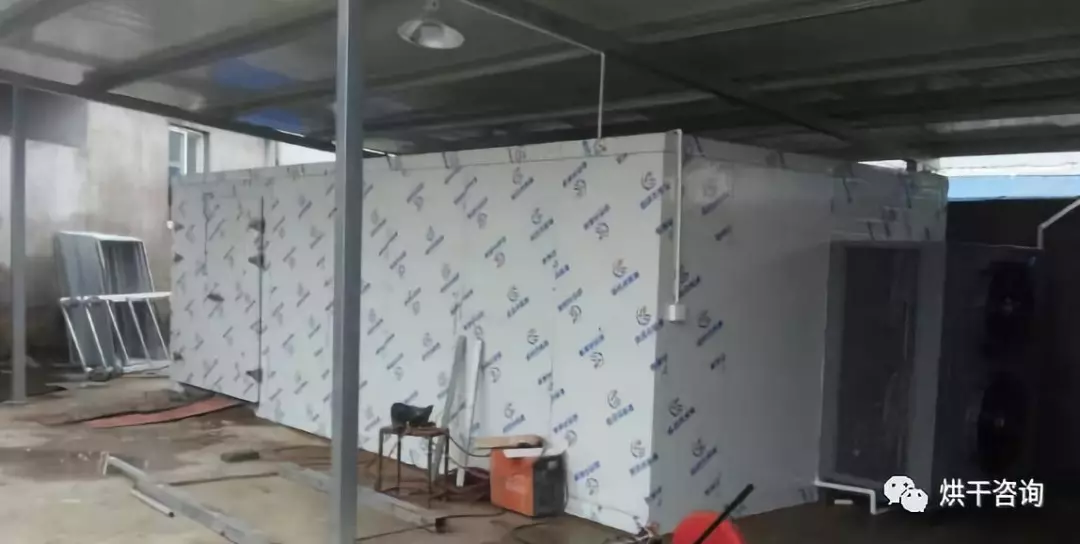
5. Finishing and packaging The moisture content of guava preserved products is generally 18% to 20%. After reaching the drying requirements, soften and package. The fruit blocks are often deformed during the drying process and need to be flattened after drying. The packaging is mainly moisture-proof and mildew-proof. The packaging method of dried fruits can be adopted, and composite plastic film bags are used for retail packaging of 50g, 100g, etc.
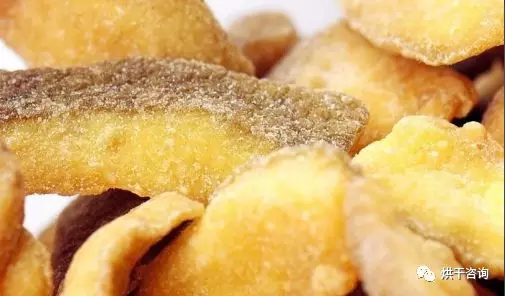
6. Quality Standards It is dark orange-yellow to orange-red, shiny, translucent, and uniform in color; the appearance is complete, the texture is full, the surface is dry and not sticky; it has guava flavor. Water content 18% to 20%; sugar content 50% to 60%.
Previous
Next
Previous
Next

E-mail: 18150135290@163.com
Phone: +86-18150135290
WhatsApp: 8618150135290