


Vegetable drying
Release time:

Dried vegetables are a traditional food material. In the past, dried vegetables were made to store vegetables for the winter and because vegetables were in surplus but difficult to keep fresh during the growing season. Smart vegetable growers made dried vegetables from fresh vegetables for easy storage and to prepare for emergencies. However, the soil structure in different places is not exactly the same, the taste and nutrition of the same vegetables are slightly different, and the methods of making dried vegetables are also different. Today, the purpose of making dried vegetables is no longer just to fill the stomach, but to enrich the food structure and pass on the inheritance of food culture.

Vegetable processing steps:
During the air energy heat pump drying process, when mustard comes into contact with air energy, it will absorb a lot of heat from the air energy, part of which is used to increase the temperature of the mustard, and the other part is used for the migration and evaporation of water in the mustard. The process of air energy continuously transferring heat to the mustard and evaporating the water of the mustard is the continuous drying process. This process is divided into three stages: heating stage, constant speed drying stage, and deceleration drying stage.
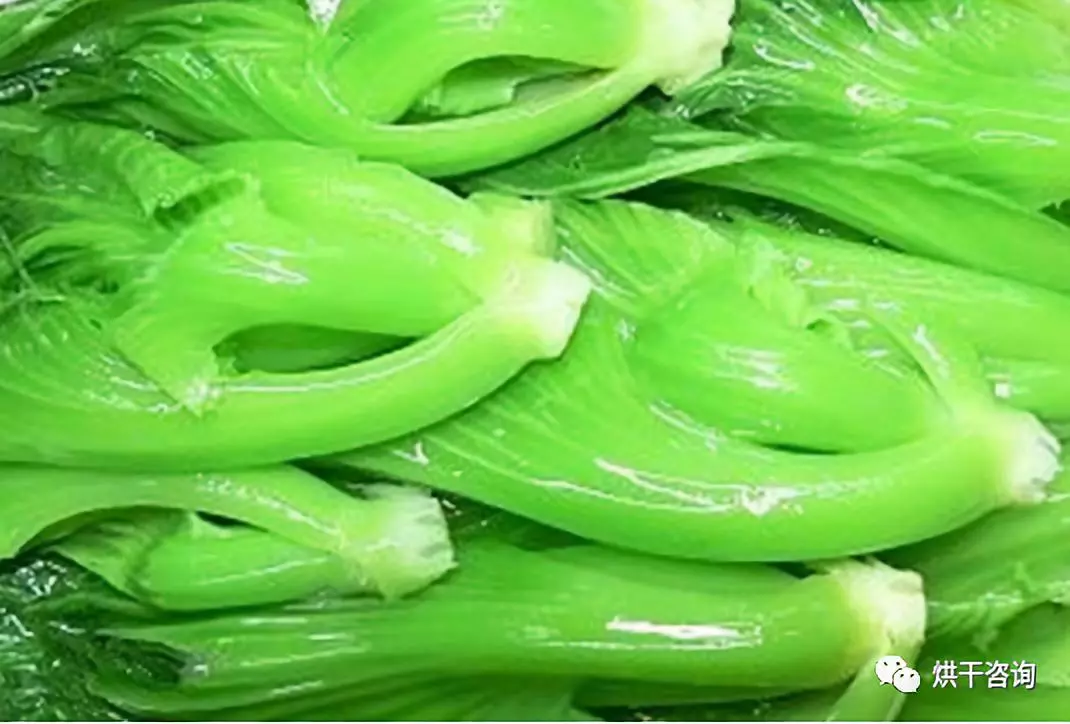
1. Heating stage of mustard drying:
The initial stage of mustard drying is heating, and the temperature should be 40-50℃. First, the water on the surface of the mustard absorbs energy and turns into water vapor, which evaporates in large quantities. This is also called the diffusion of mustard water. Its diffusion rate is related to the surface area of the mustard, air flow rate, temperature and relative humidity of the air. When the air flow rate is faster, the temperature is higher, and the relative humidity of the air is lower, the diffusion rate is faster, that is, the evaporation rate of the mustard is faster, and the water content decreases at the same time, and the drying speed is accelerated.
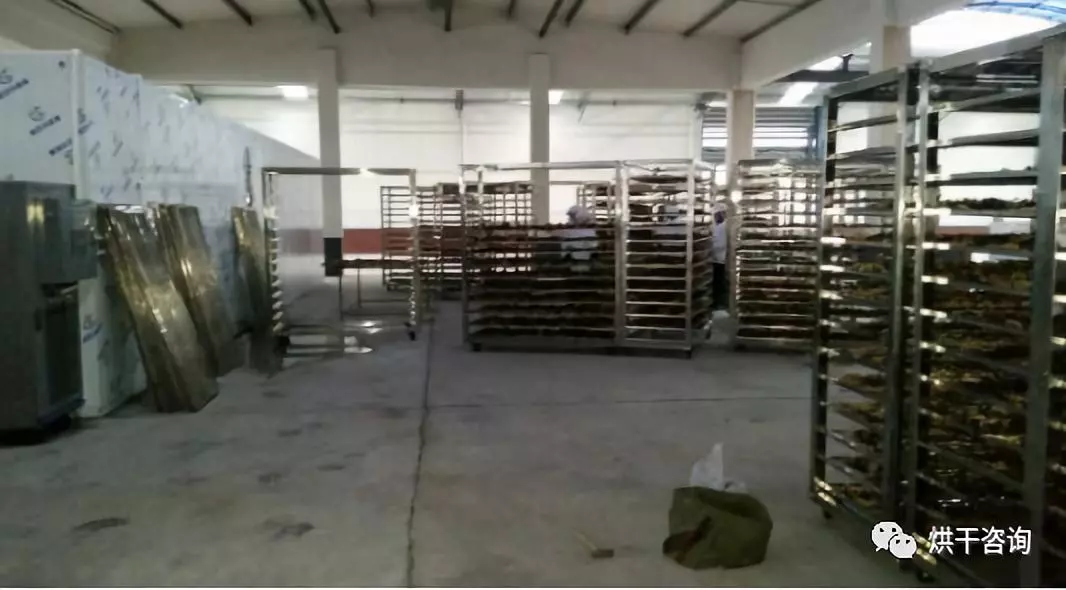
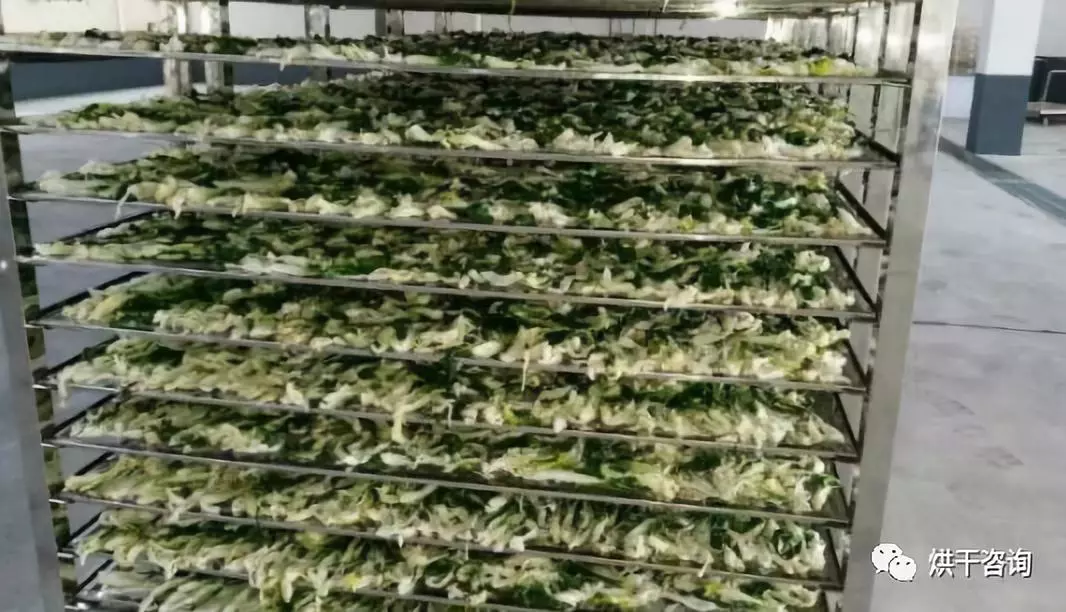
2. Constant drying stage of mustard:
When the temperature of mustard rises to the wet bulb temperature of air energy, and all the heat absorbed from air energy is used to evaporate water, the drying speed remains constant and enters the second stage of drying. In the constant drying stage, most of the evaporated water of mustard is free water.
The water in vegetables such as mustard and green vegetables usually exists in three different states: free water, colloid-bound water, and chemical water. Most of the free water and colloid-bound water are removed during the drying process. The evaporation rate of water in mustard does not depend entirely on the temperature of the drying air, but on the humidity of the air. The lower the relative humidity, the faster the water migration and evaporation.
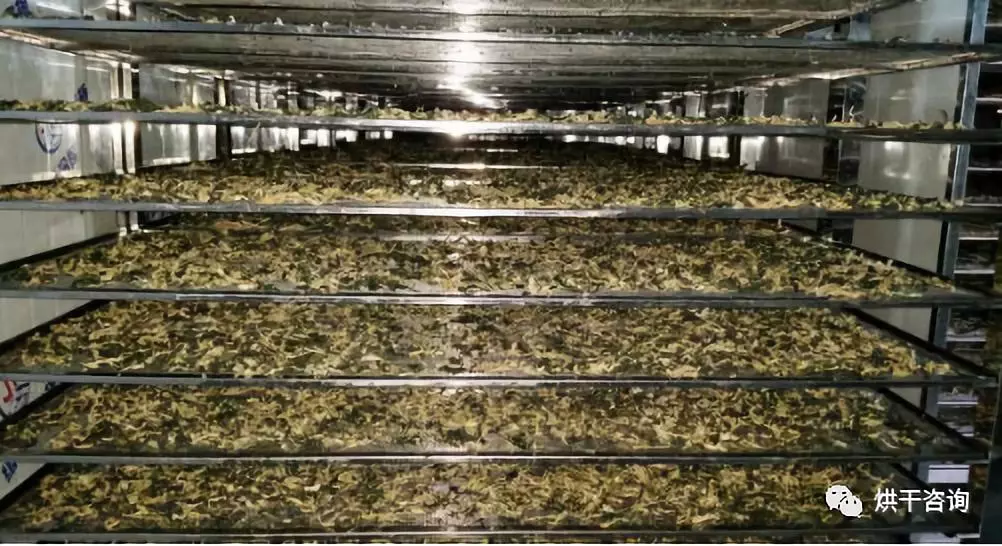
3. Deceleration drying stage of mustard
When the evaporation rate of mustard or vegetable water reaches about 50-60%, the free water is greatly reduced, and part of the colloid-bound water begins to evaporate. At this time, the diffusion rate of water inside the mustard slows down, which is slower than the evaporation rate of water on its surface. This stage is called the deceleration drying stage of mustard. At this stage, part of the heat provided by the air energy in the operation of the heat pump mustard dryer is used for further evaporation of the mustard dry water, and the other part is still used to heat the semi-dried mustard, so that its temperature gradually rises and the moisture content reaches an equilibrium moisture content. When the moisture content of the mustard dry is about 15%, the moisture evaporation stops and the drying is completed.
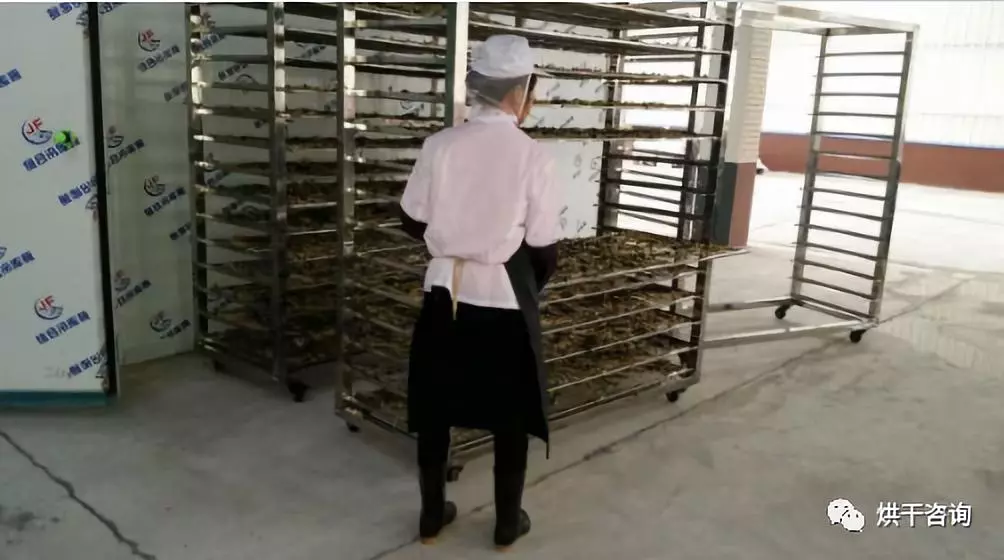
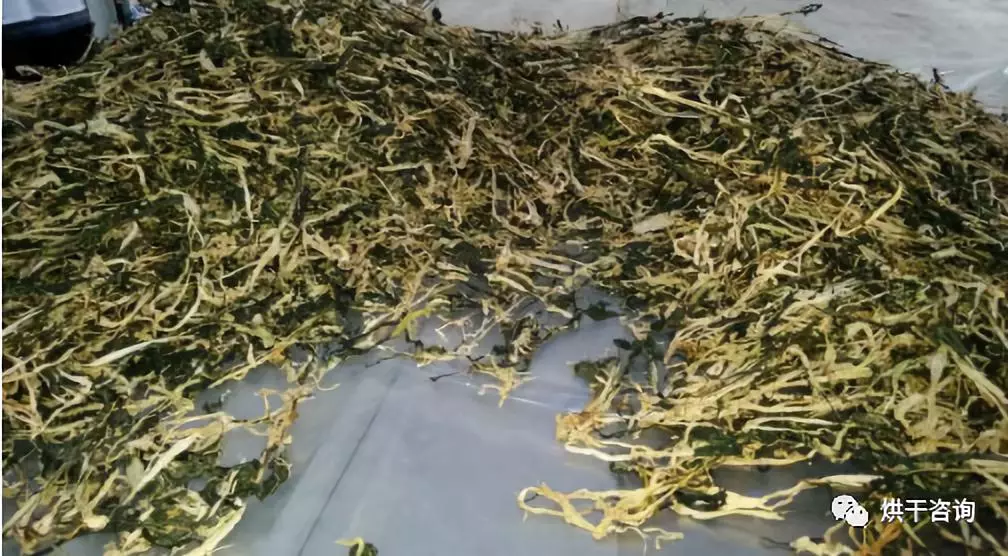
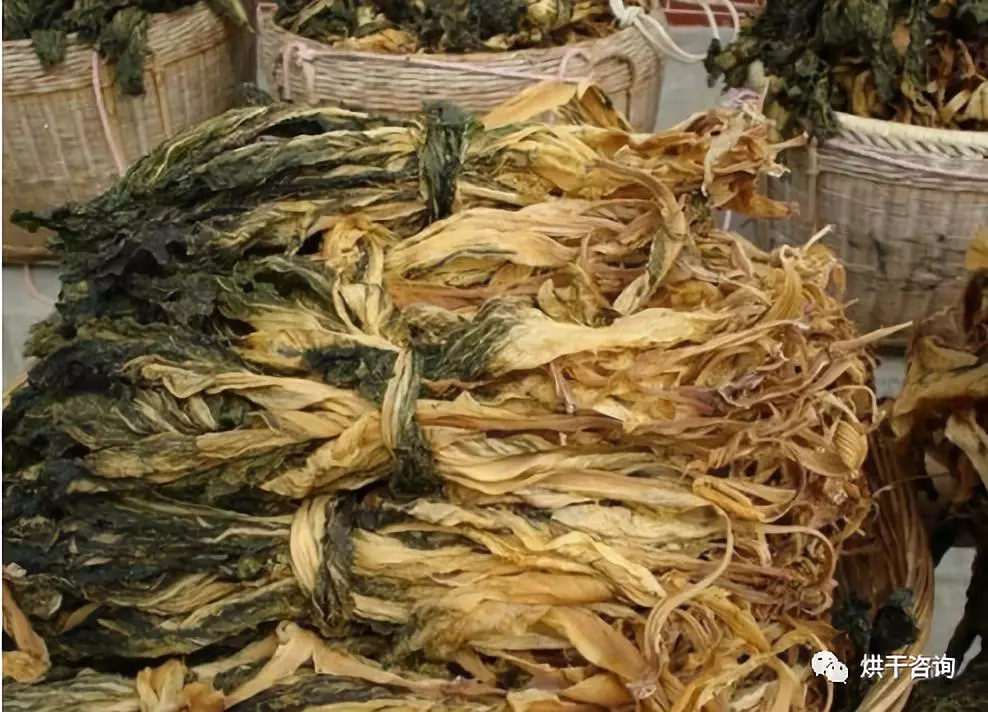
Take a set of 7P mustard dryer as an example, drying about 1,300 kilograms of vegetables, depending on the initial moisture content, the entire drying process is completed in 8-15 hours. The moisture content of the dried vegetables is accurate and stable, and all parts can be dried evenly. The drying cost is about 0.2-0.5 yuan. The mustard dryer can achieve energy-saving, environmental protection, high efficiency and automatic operation for drying various vegetables and wild vegetables such as preserved vegetables, cabbage, green vegetables, kohlrabi, lettuce, tribute vegetables, garlic slices, ginger slices, purslane, bracken, locust flowers, olive money, etc.
Previous
Previous

E-mail: 18150135290@163.com
Phone: +86-18150135290
WhatsApp: 8618150135290